
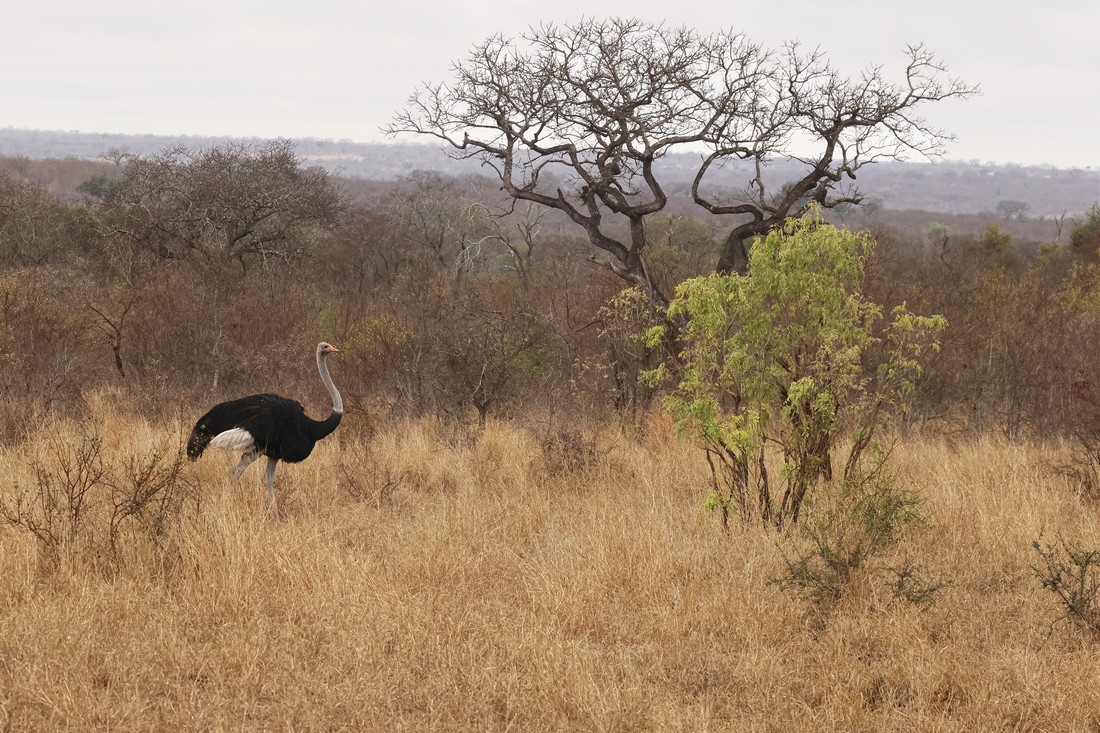
 4602 Ostriches are commonly seen in the more open areas of Sabi Sands
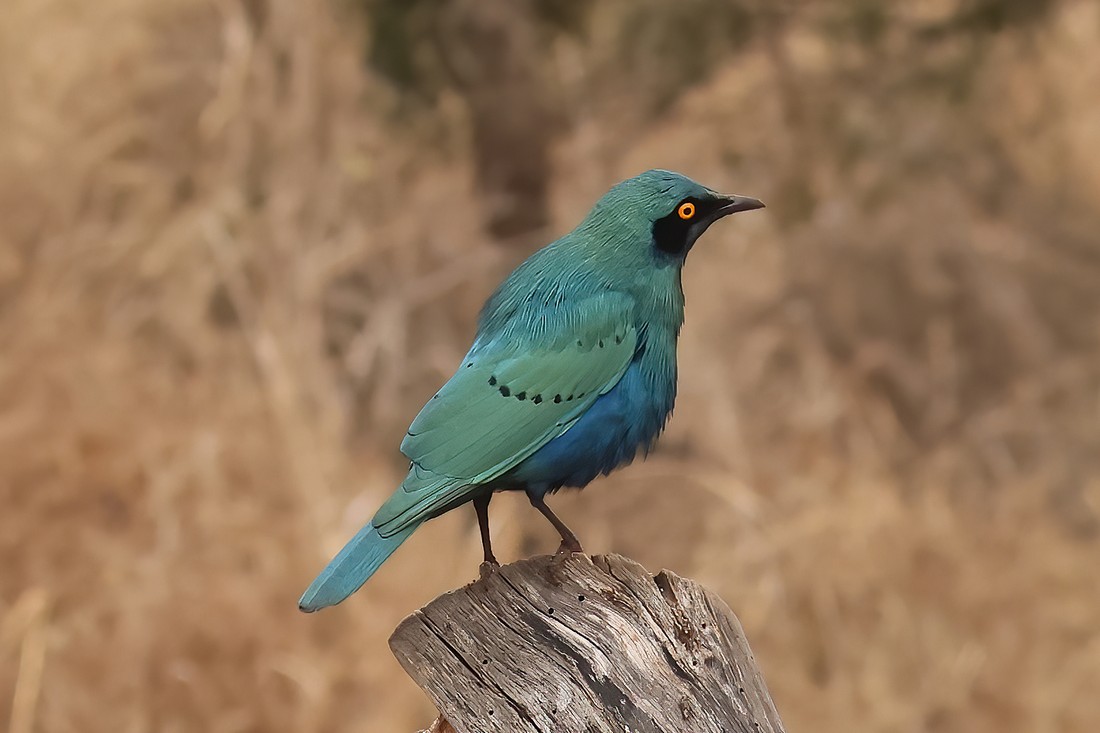 4603 The greater blue-eared starling is distinguished from the Cape glossy starling by its darker facial patch and its yellow eye
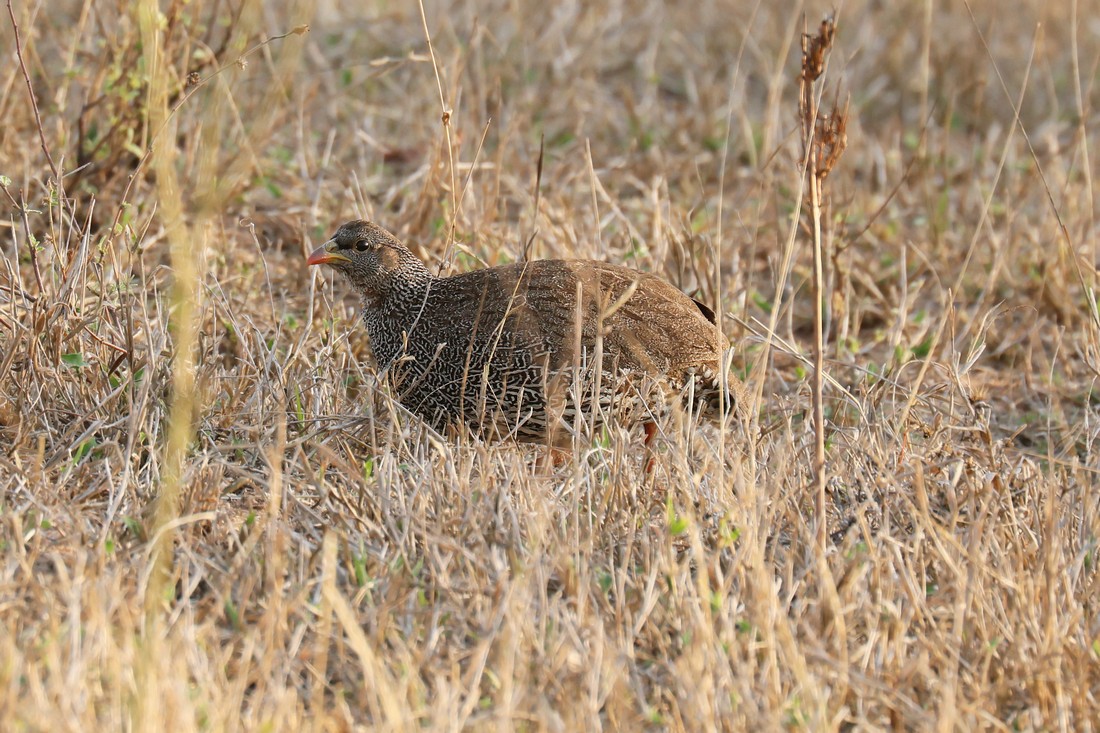 4604 The Natal spurfowl is a common resident of woodland and riparian thickets
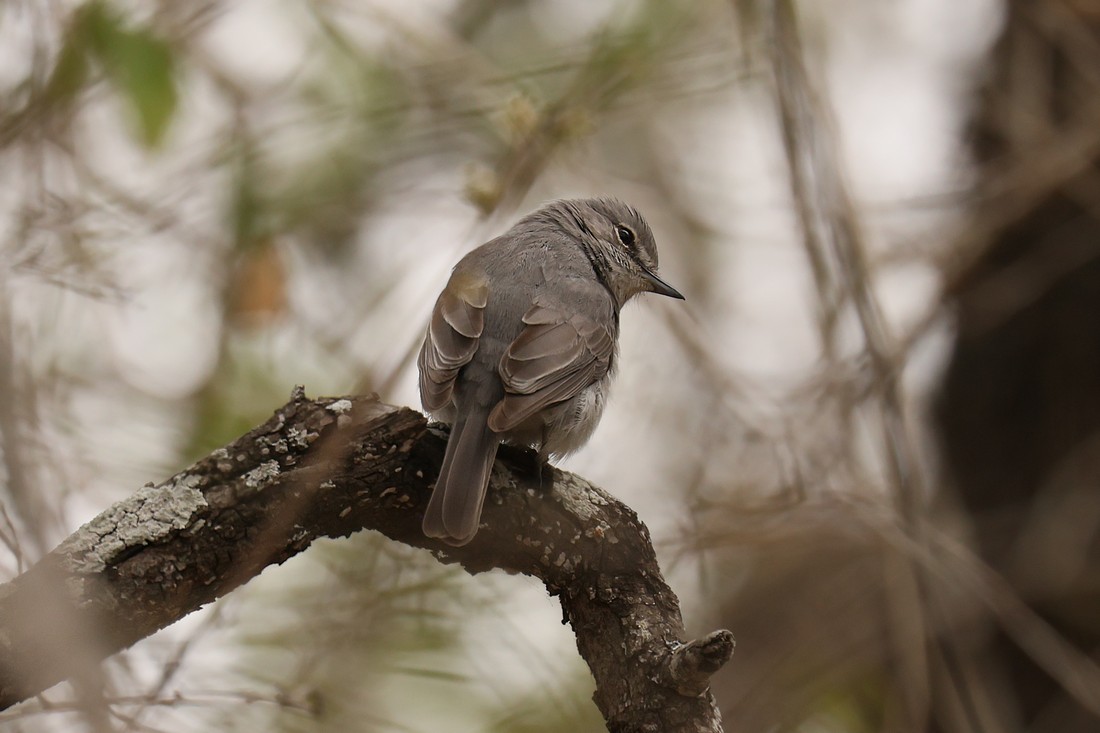 4605 My best guess, from the conspicuous white eye ring and plain grey crown is that this is an African dusky flycatcher
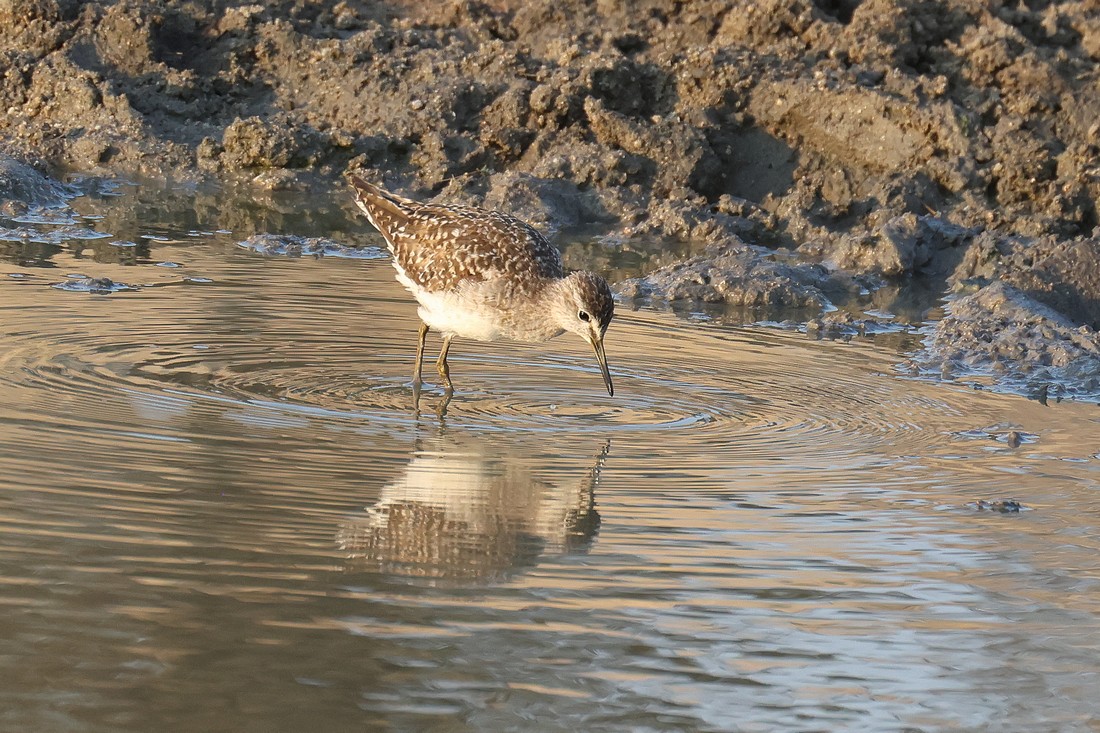 4606 The wood sandpiper is a common Palearctic migrant from September to April
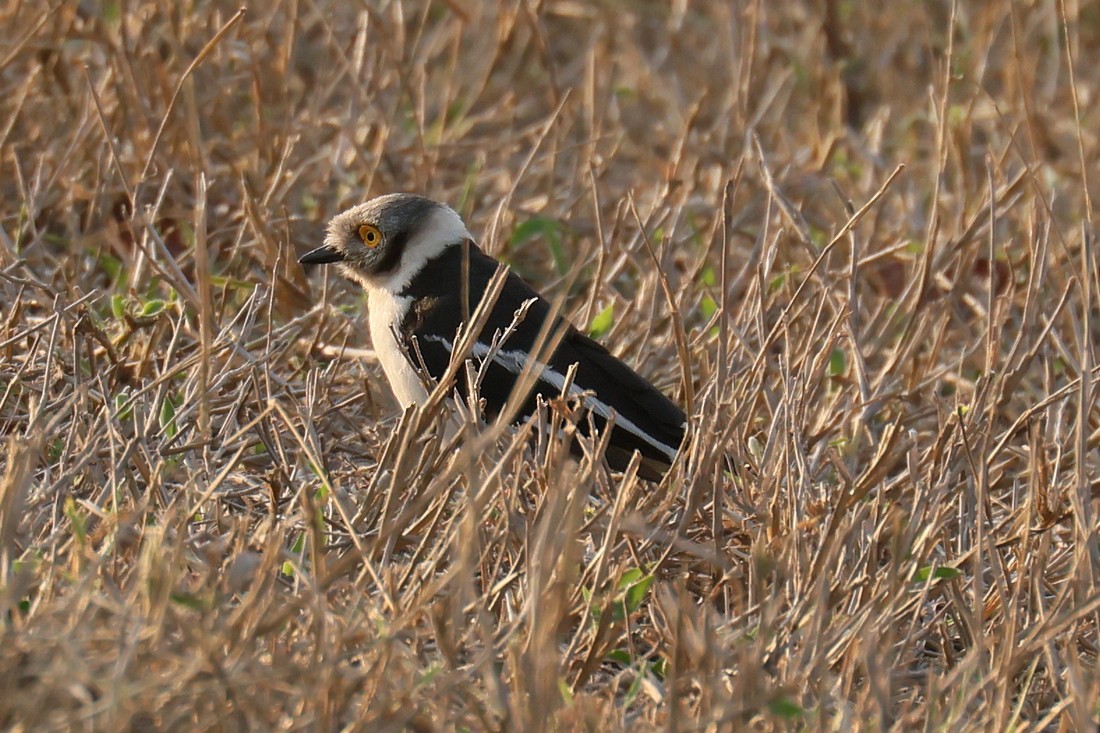 4607 The White-crested helmetshrike often forages on the ground in winter but tends to stay in the trees in summer
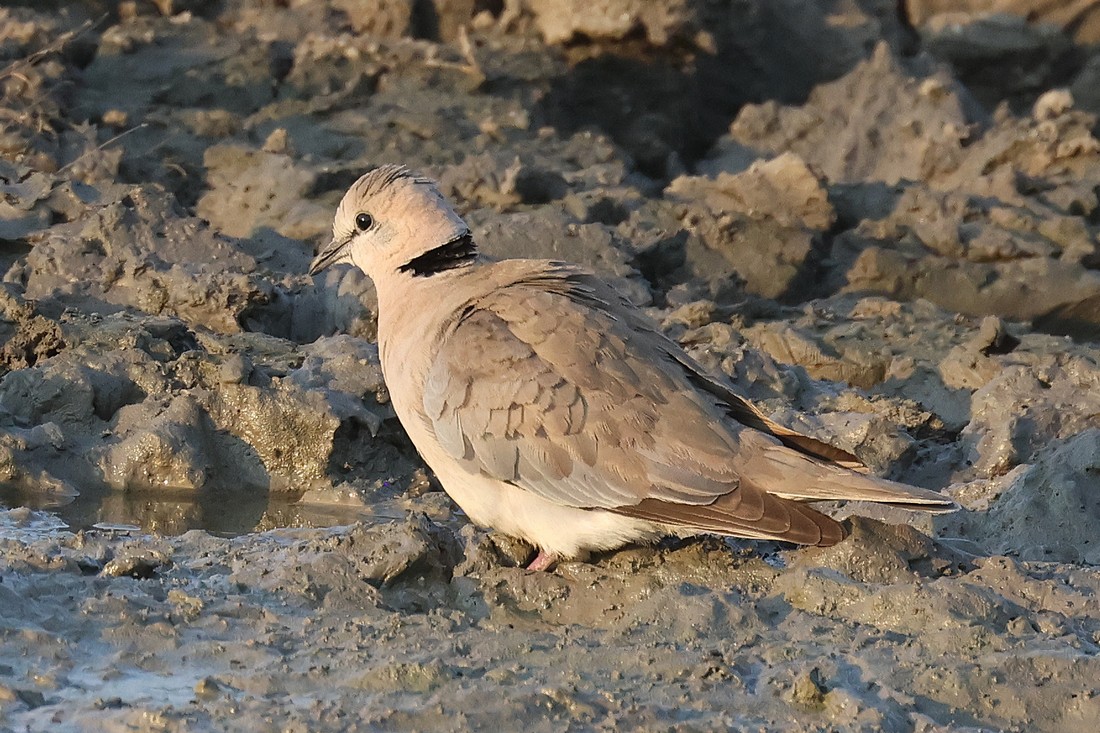 4608 The Cape turtle dove, known elsewhere as the ring-necked dove is an abundant and widespread resident
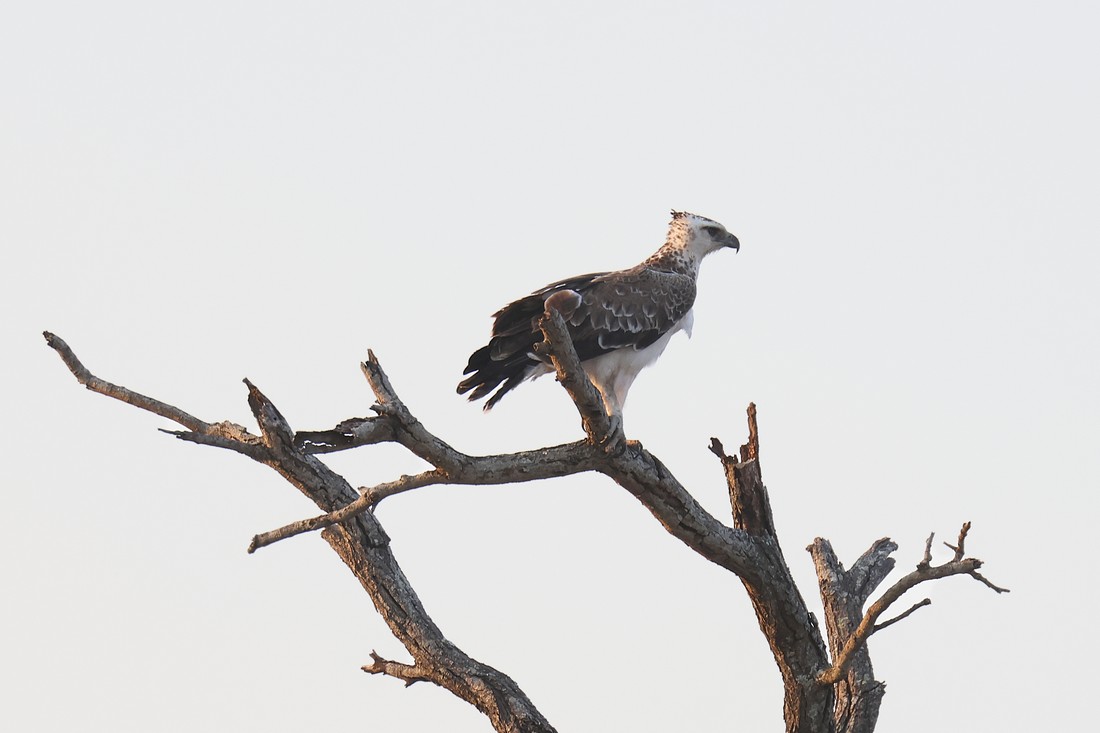 4609 The martial eagle is a large resident especially in drier bush and semi arid areas
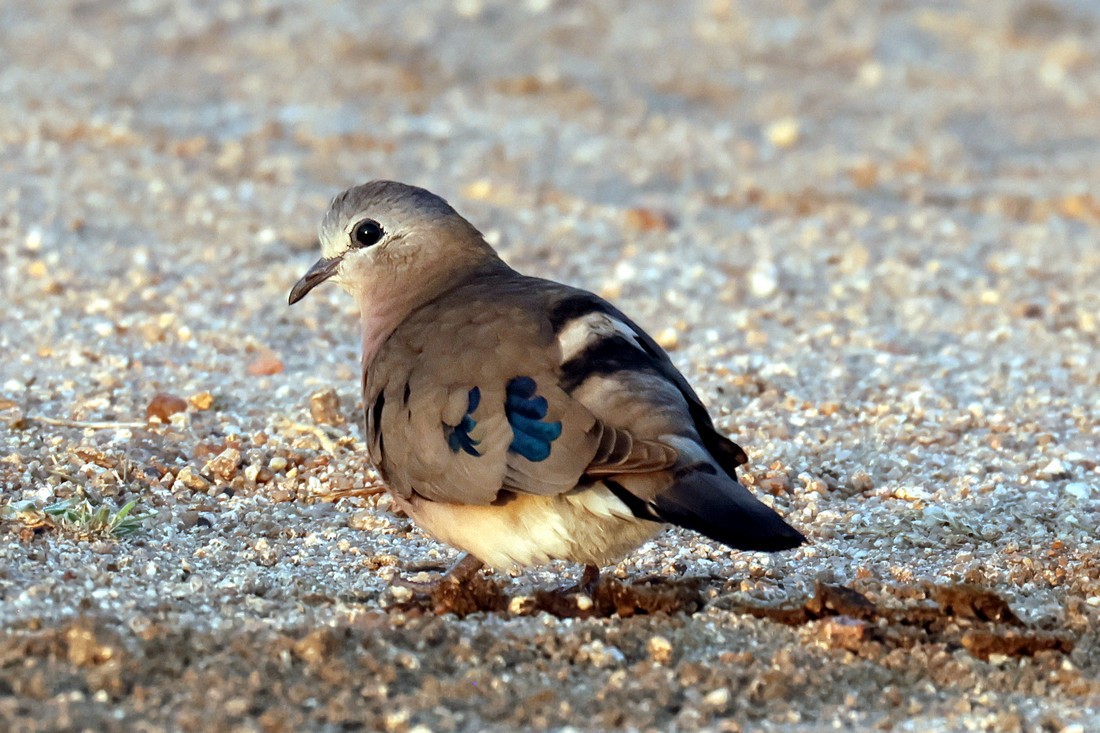 4610 Emerald spotted wood doves are common in woodland and savannah
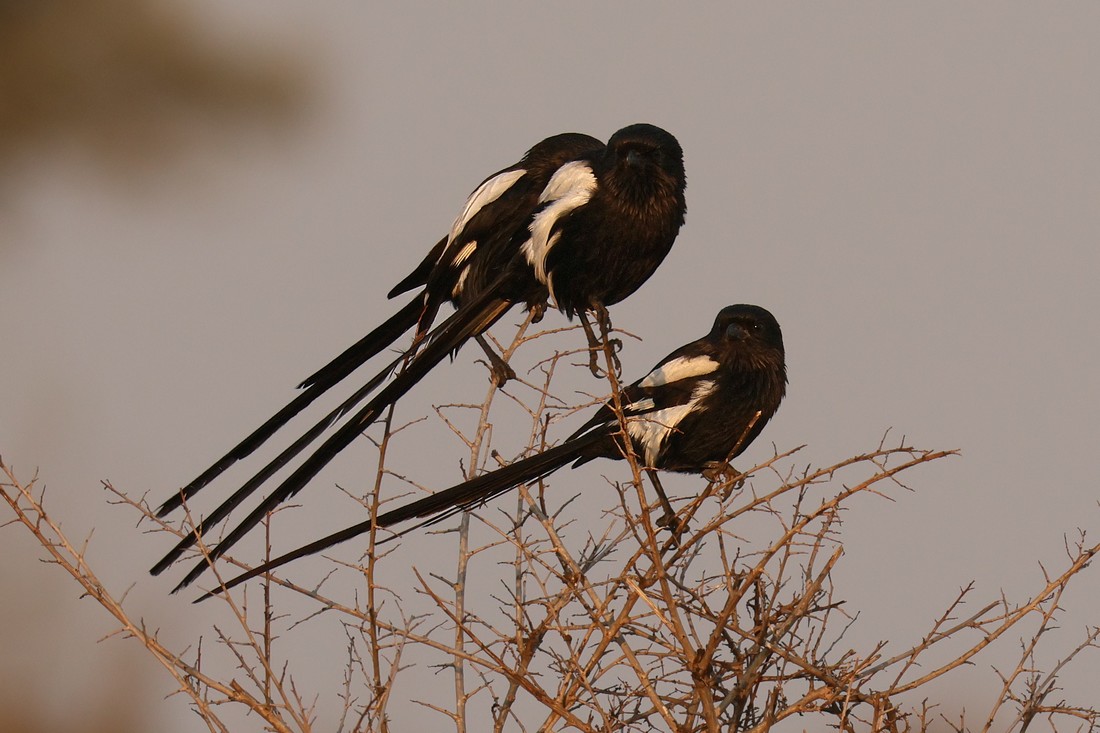 4611 Magpie shrikes are characterised by their very long tails and white scapular stripes. Often found in small groups
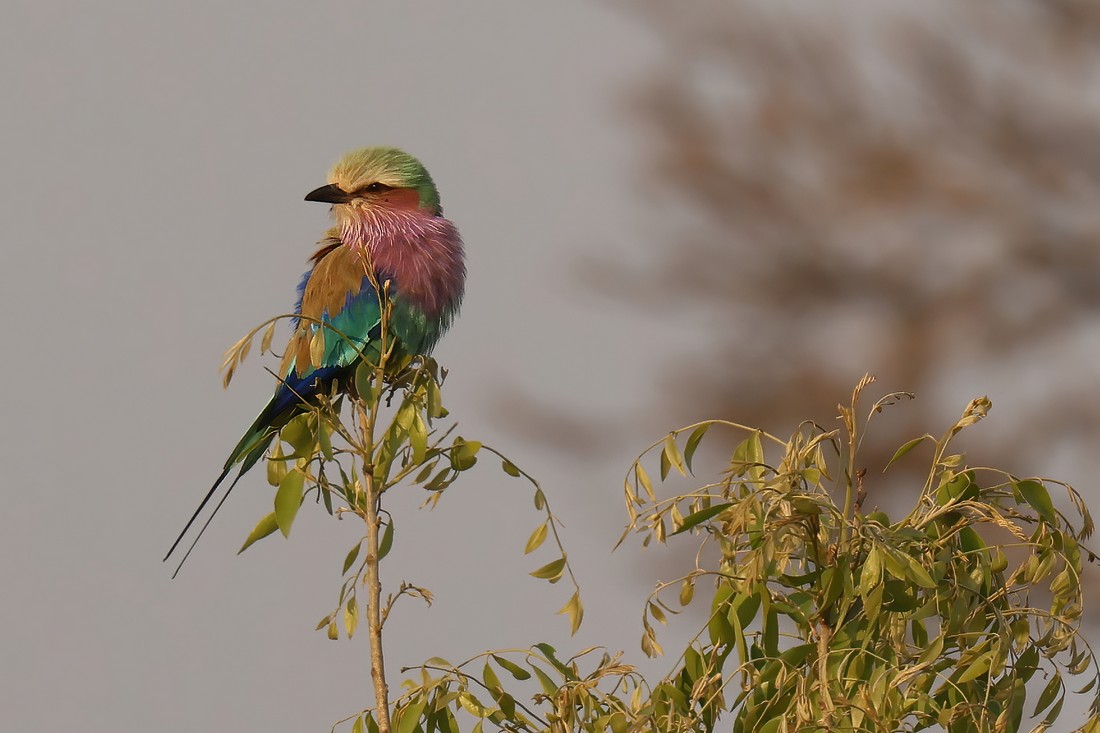 4612 An old favourite, the lilac-breasted roller, shows up almost everywhere
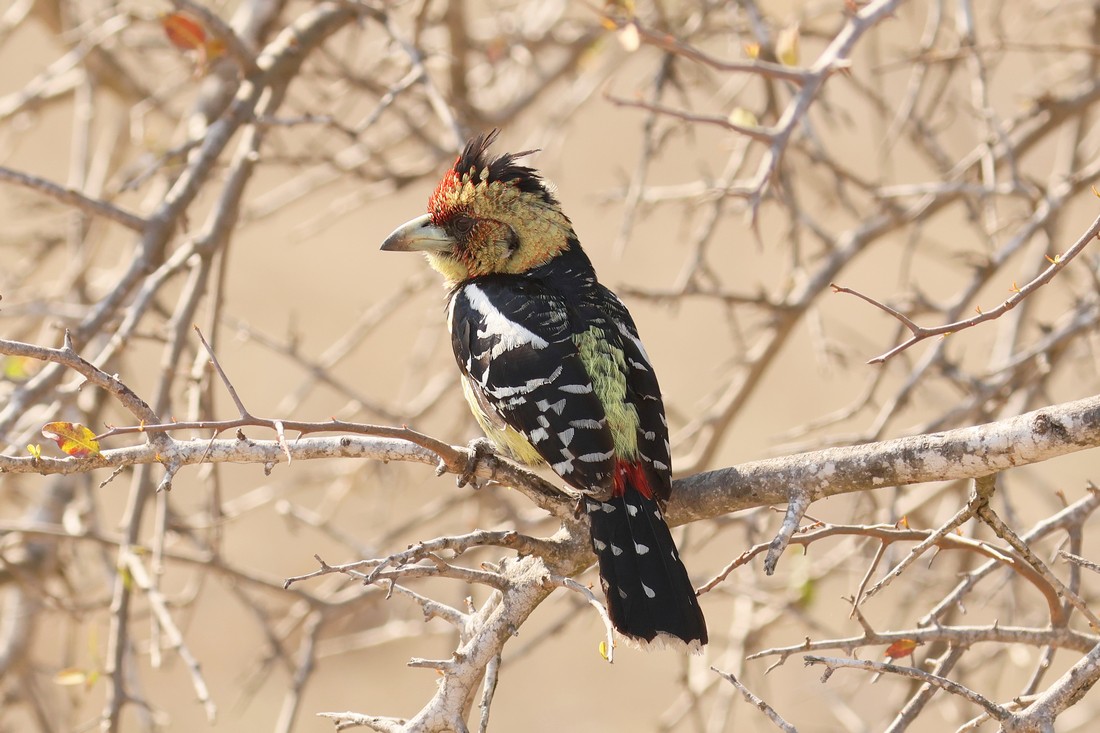 4613 The crested barbet with its distinct crown and red yellow and black plumage is a bird of woodland and riverine forests
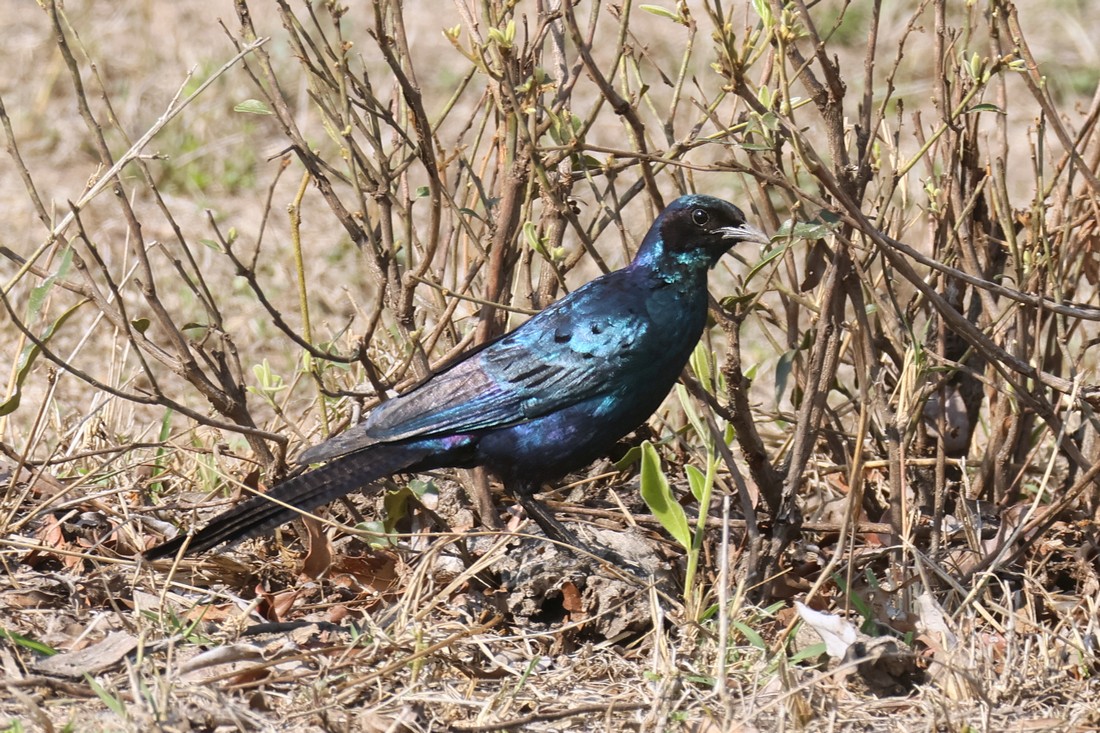 4614 Burchell's starling is identified by various shades of glossy blue and black eyes
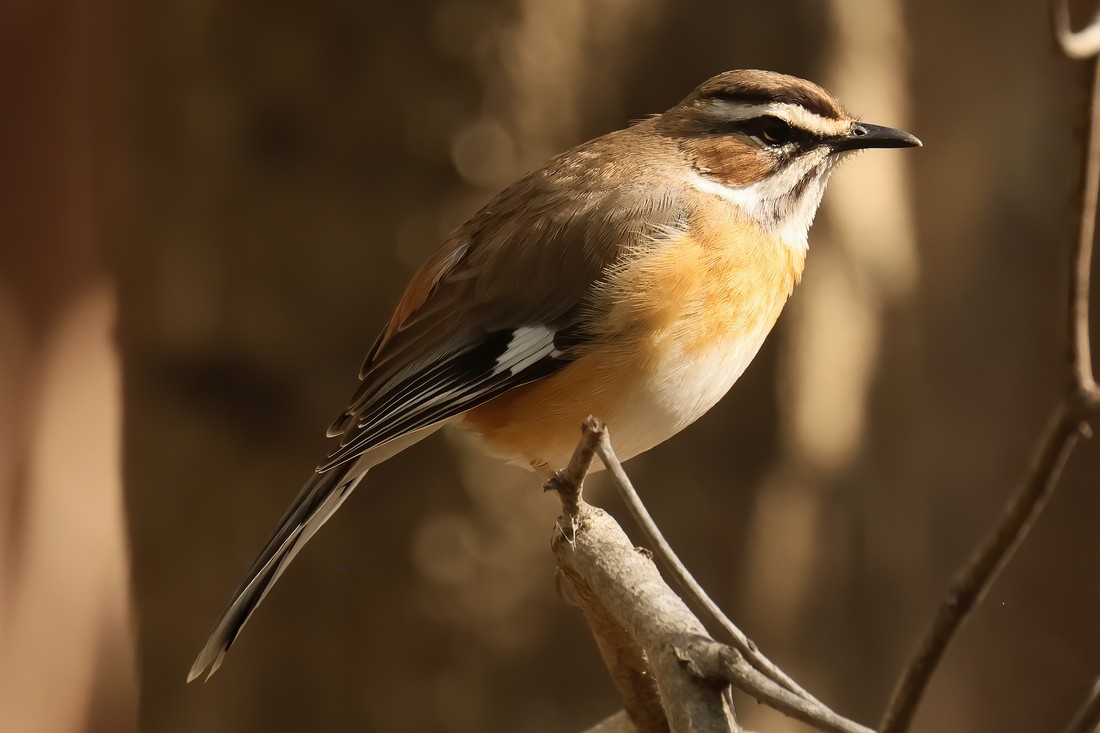 4615 This understated beauty is a bearded scrub robin
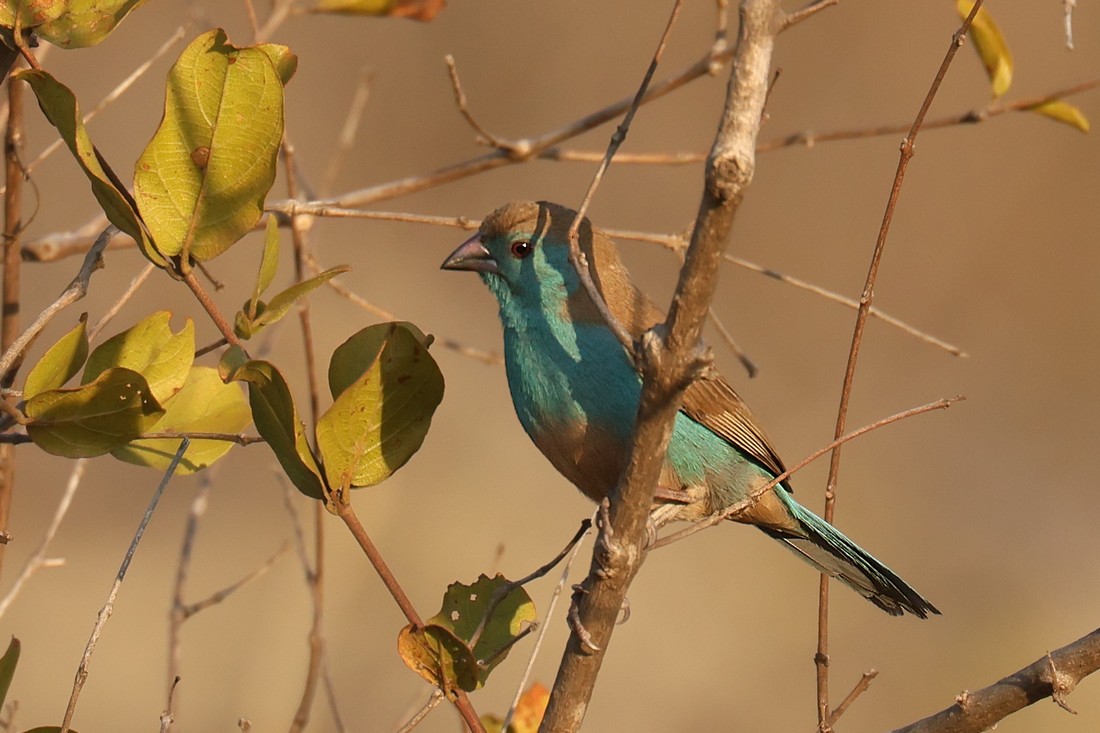 4616 The blue waxbill is another common resident
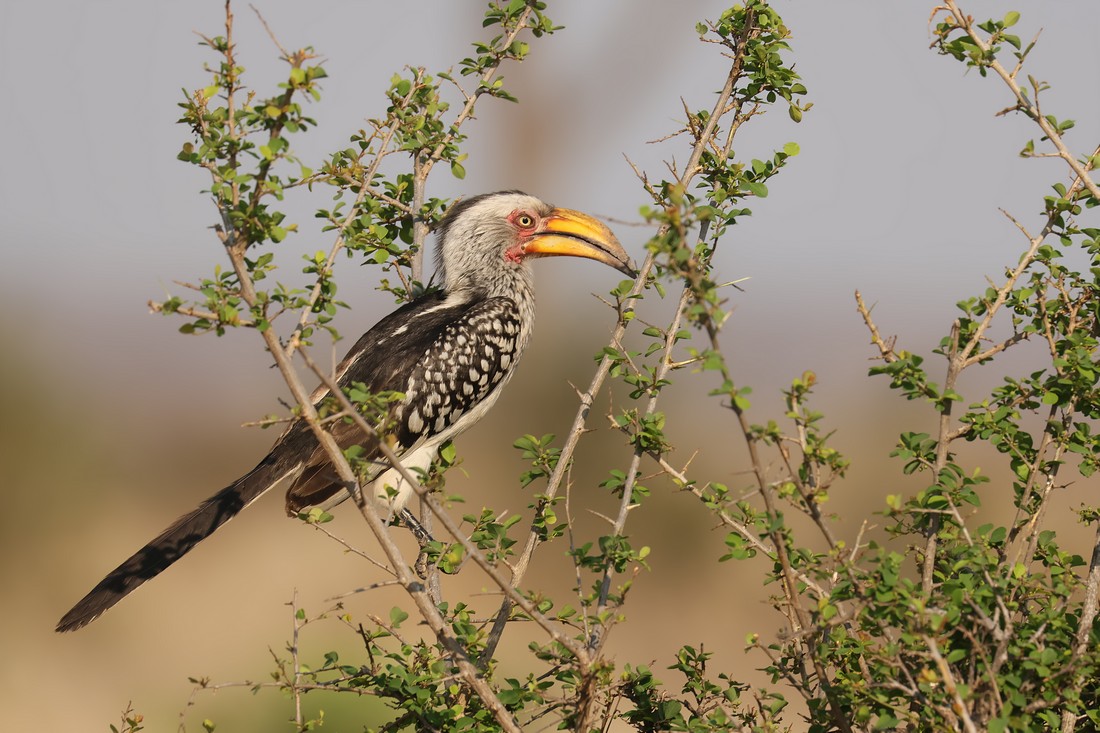 4617 Southern yellow-billed horbills are commonly seen in dry bush and broadleaved woodlands
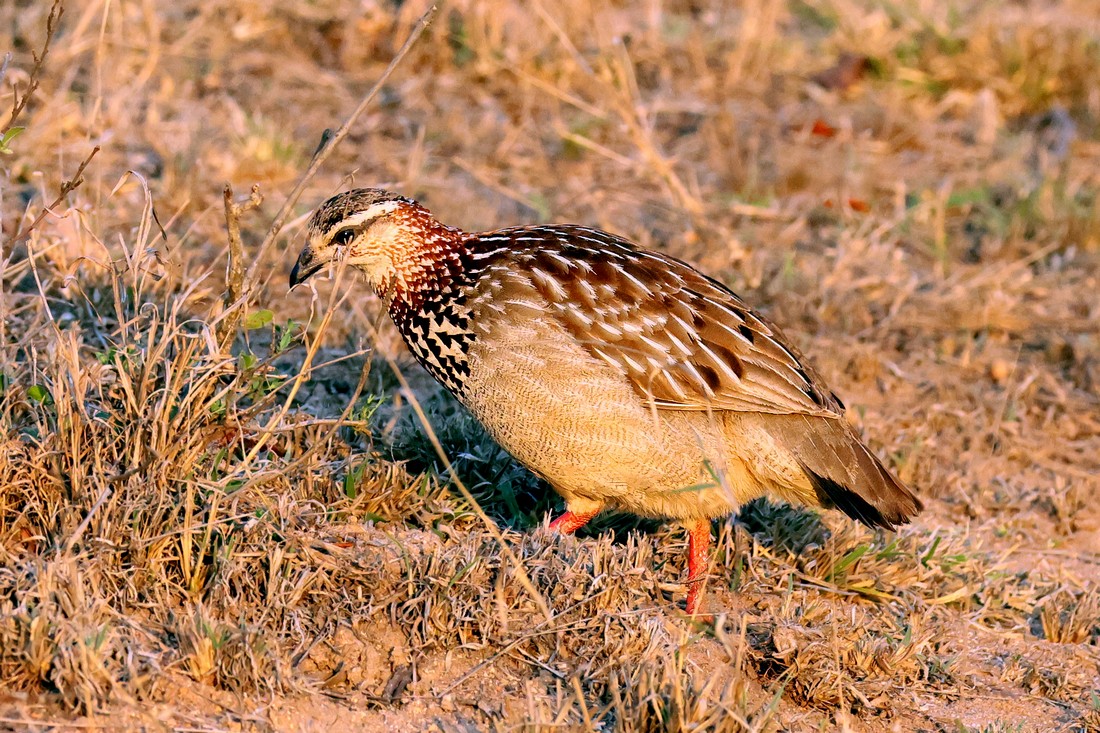 4618 Crested francolins are a common and very noisy resident of more wooded areas
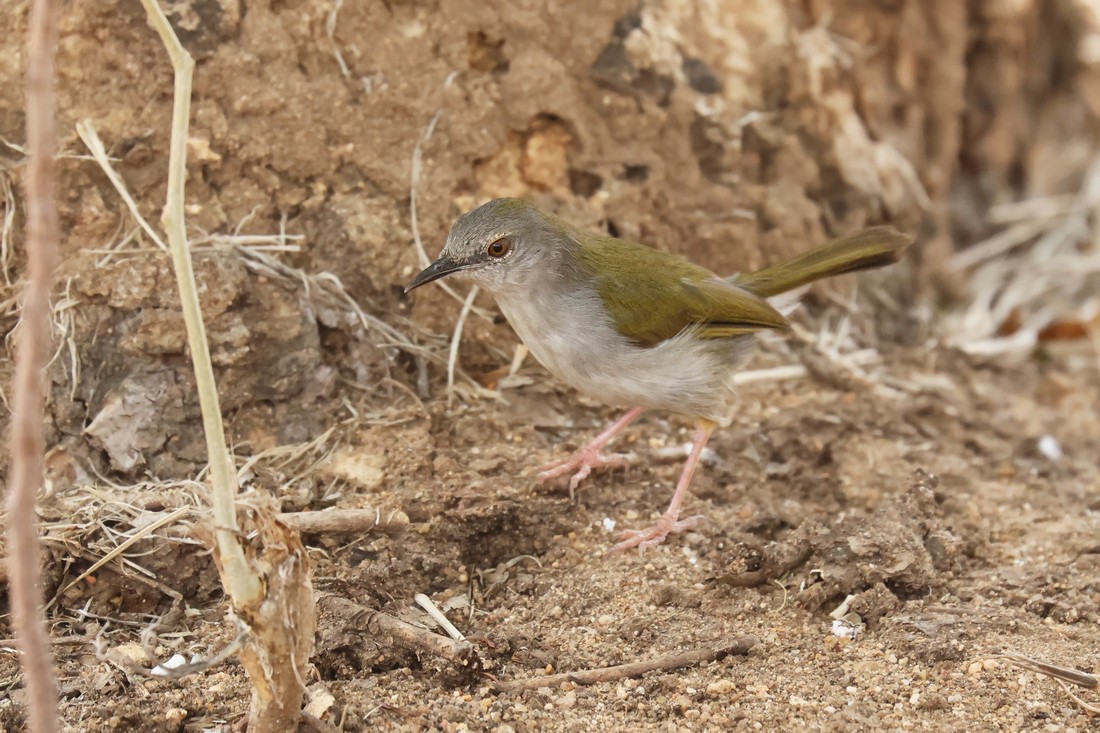 4619 The green-backed camaroptera is a small wren-like warbler, often missed in the dense undergrowth that it prefers
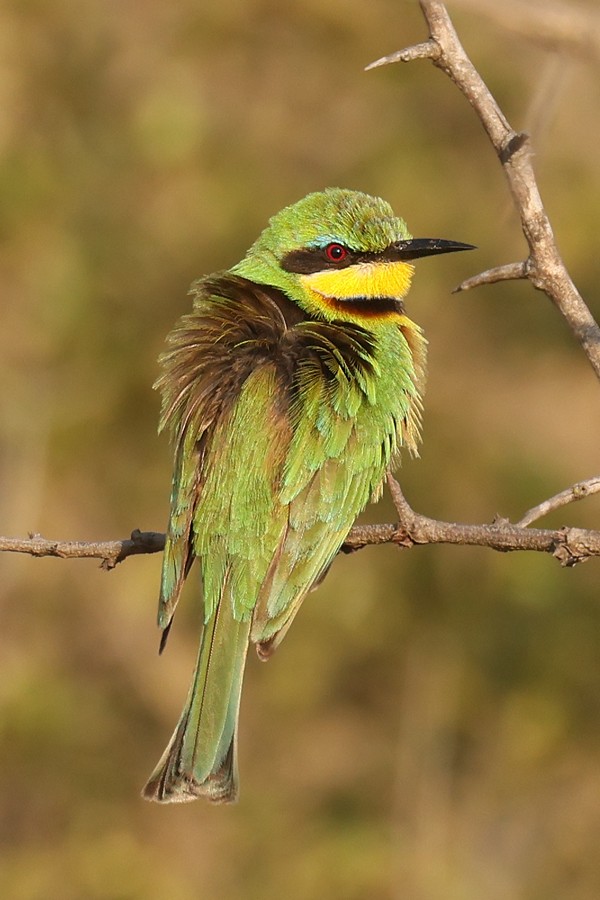 4620 The little bee-eater is very common in woodland, savannah and wetlands
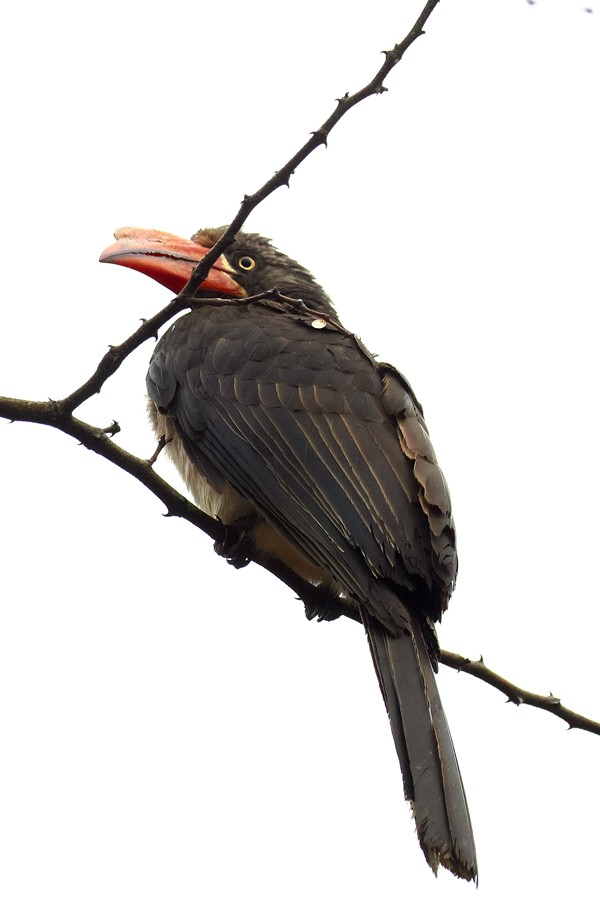 4621 I was lucky to see this crowwned hornbill out in the open
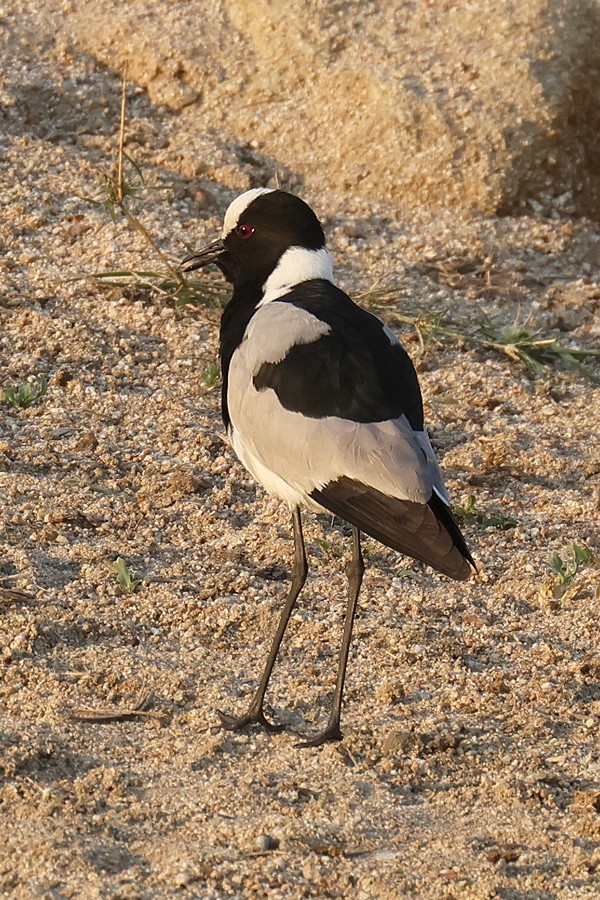 4622 The blacksmith plover (lapwing) likes wetland edges and surrounding grasslands
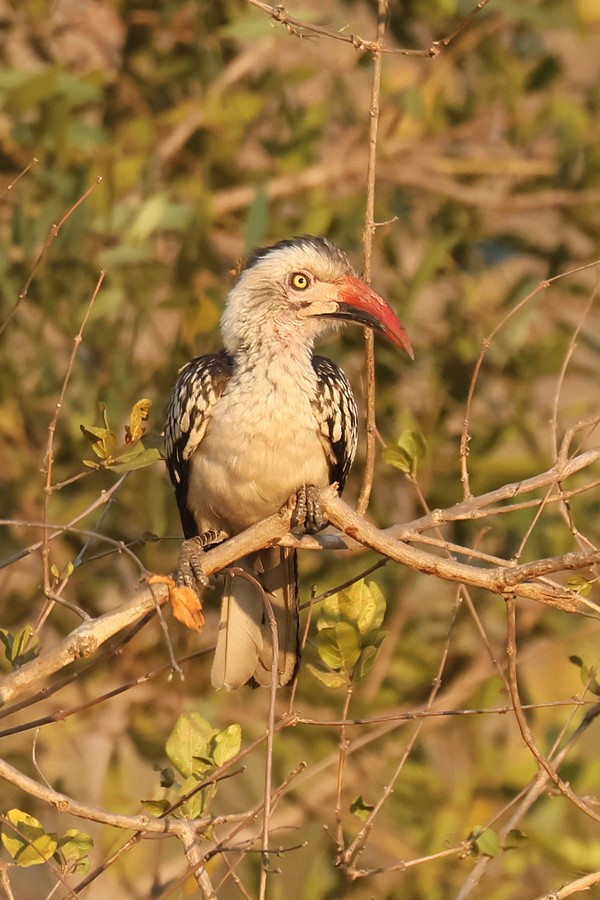 4623 A southern red-billed hornbill. Smaller than the yellow-billed
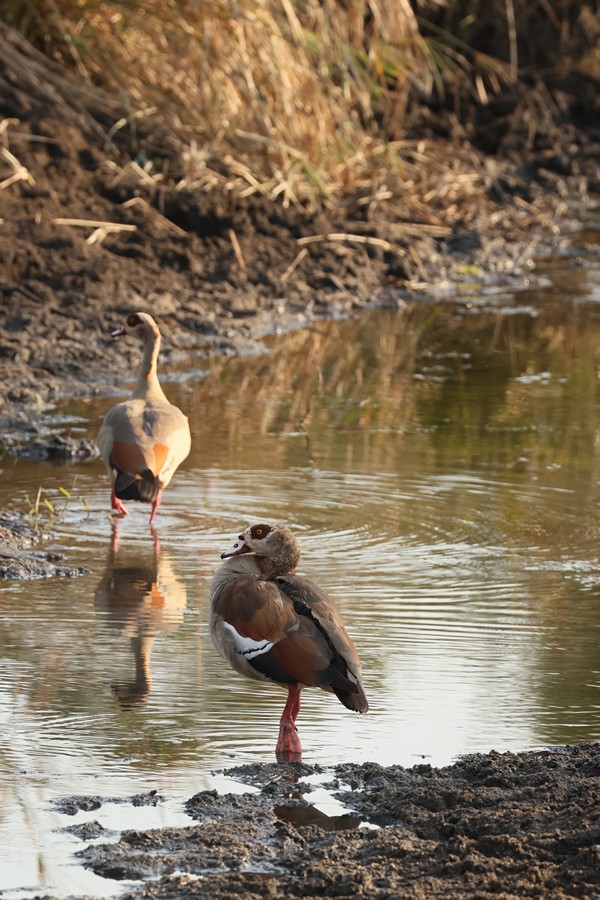 4624 Egyptian geese are famously teritorial and aggressive
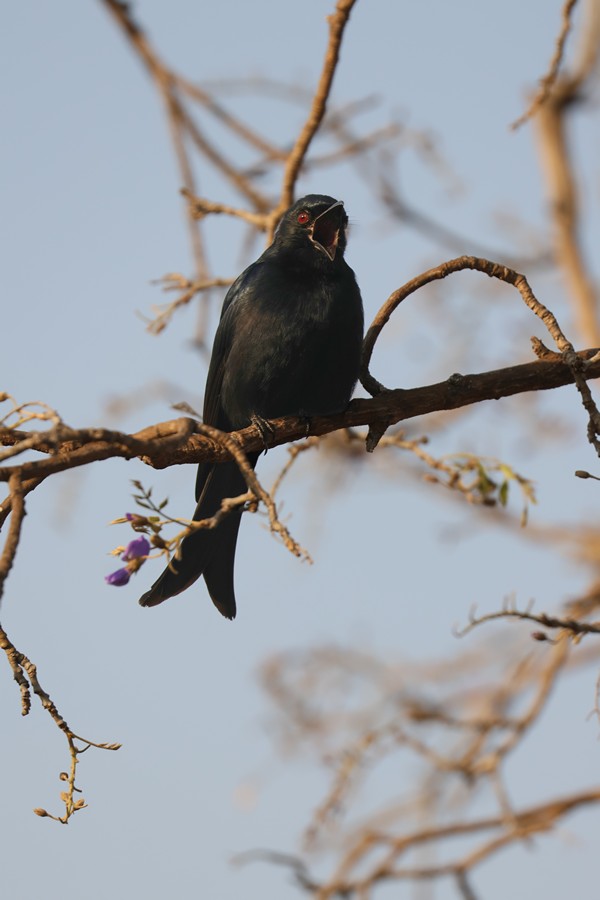 4625 The fork-tailed drongo is a very common insectivorous bird