
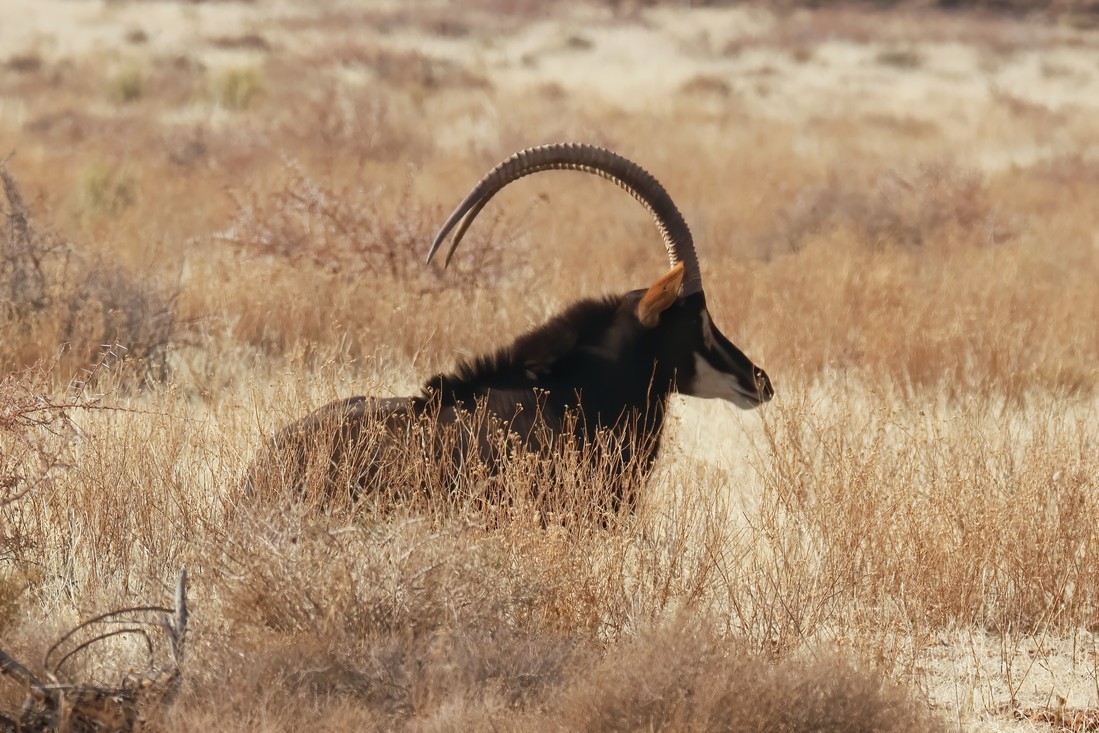
 4473 The long round horns of the sable antelope can be used as deadly weapons against predators
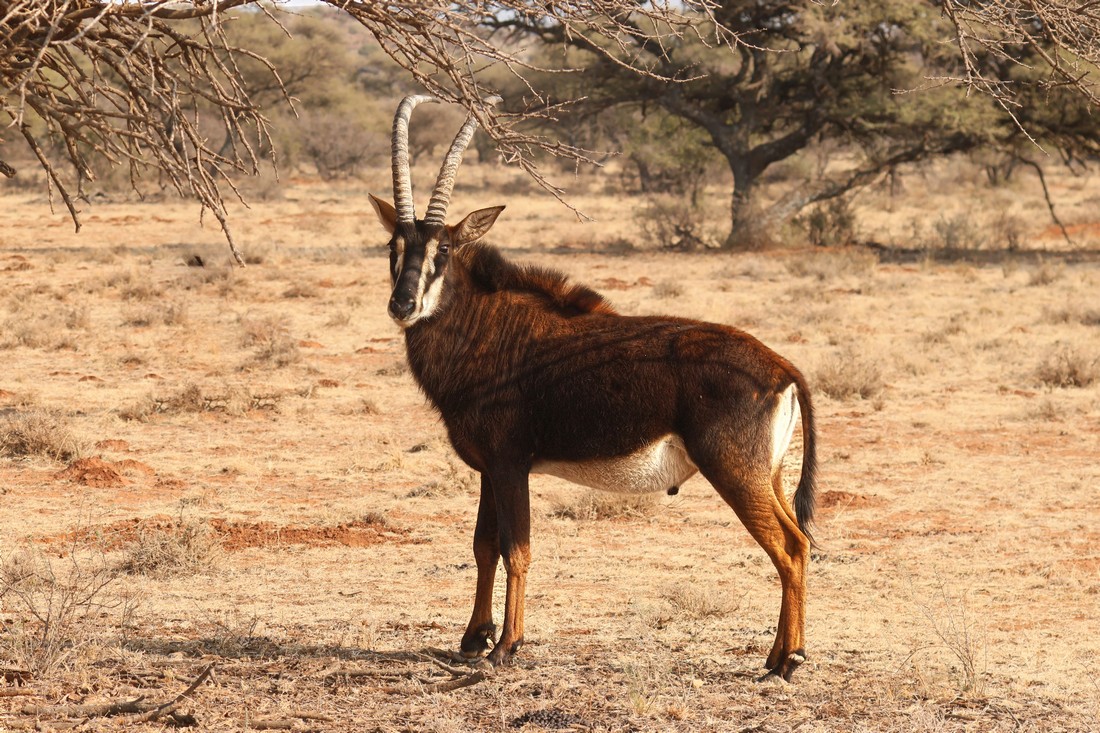 4474 Male sables do not get the full black colouring until they are about five years old
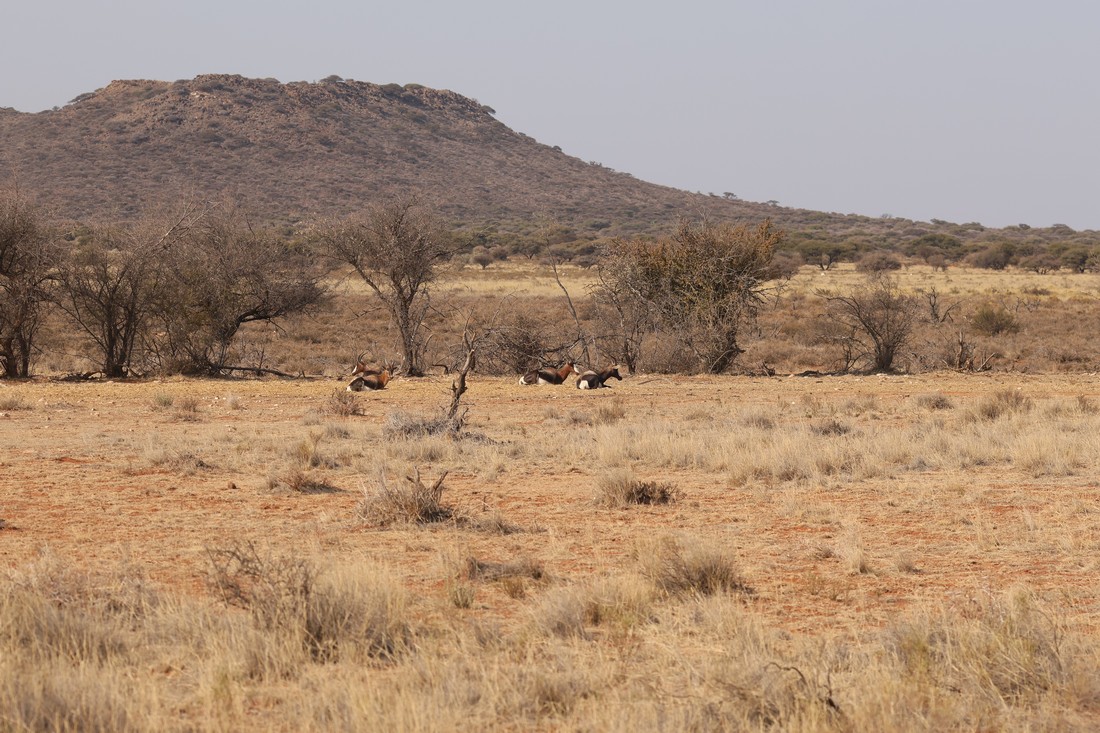 4475 I was told these are blesbok but they looked more like bontebok to me. The two are very closely related
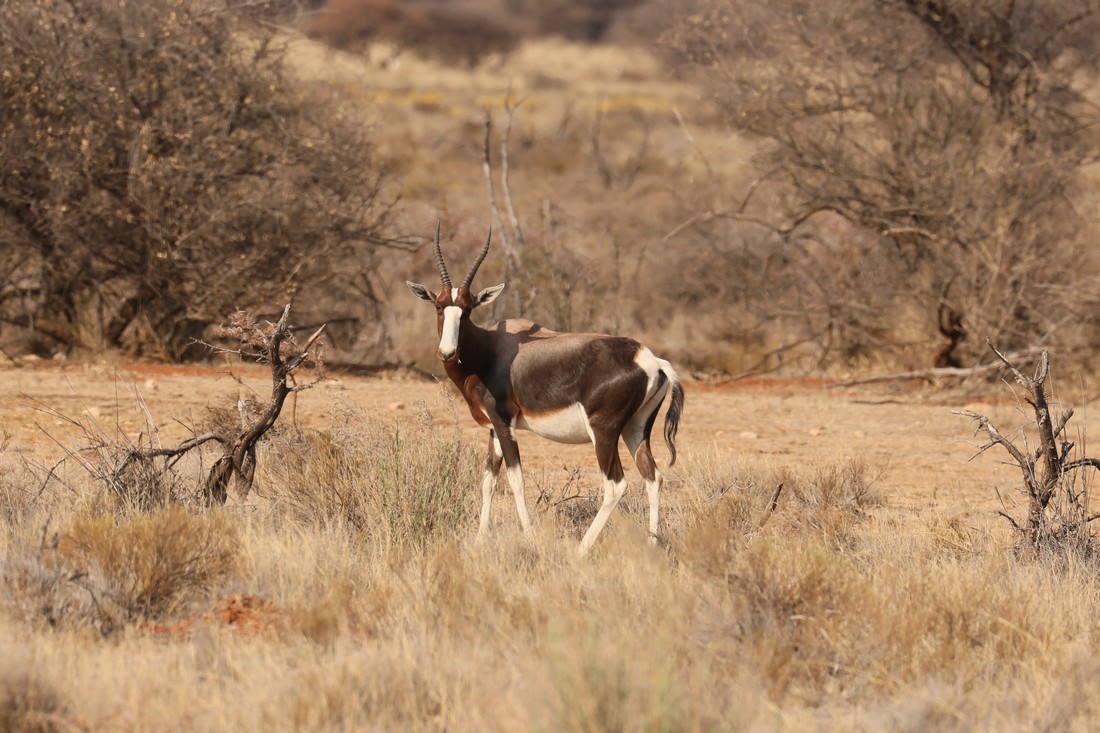 4476 Bontebok are smaller southern cousins of the topi, and on average 8kg lighter than a blesbok
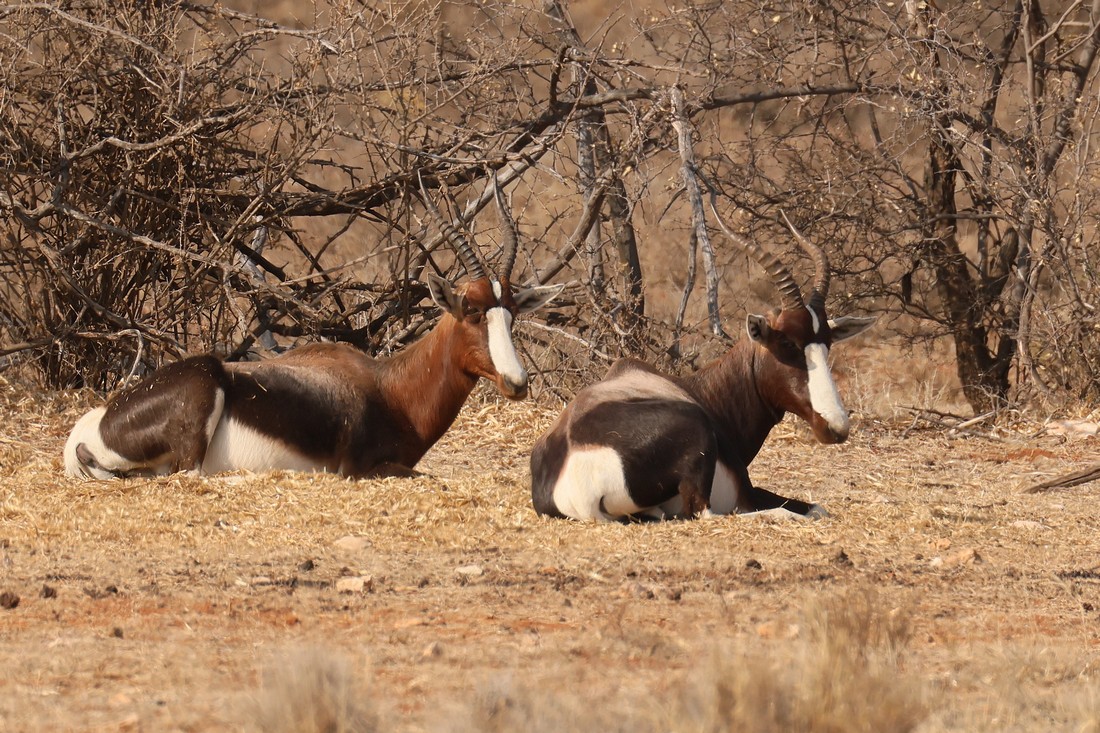 4477 Bontebok have very distinctive high contrast markings and white 'stockings'
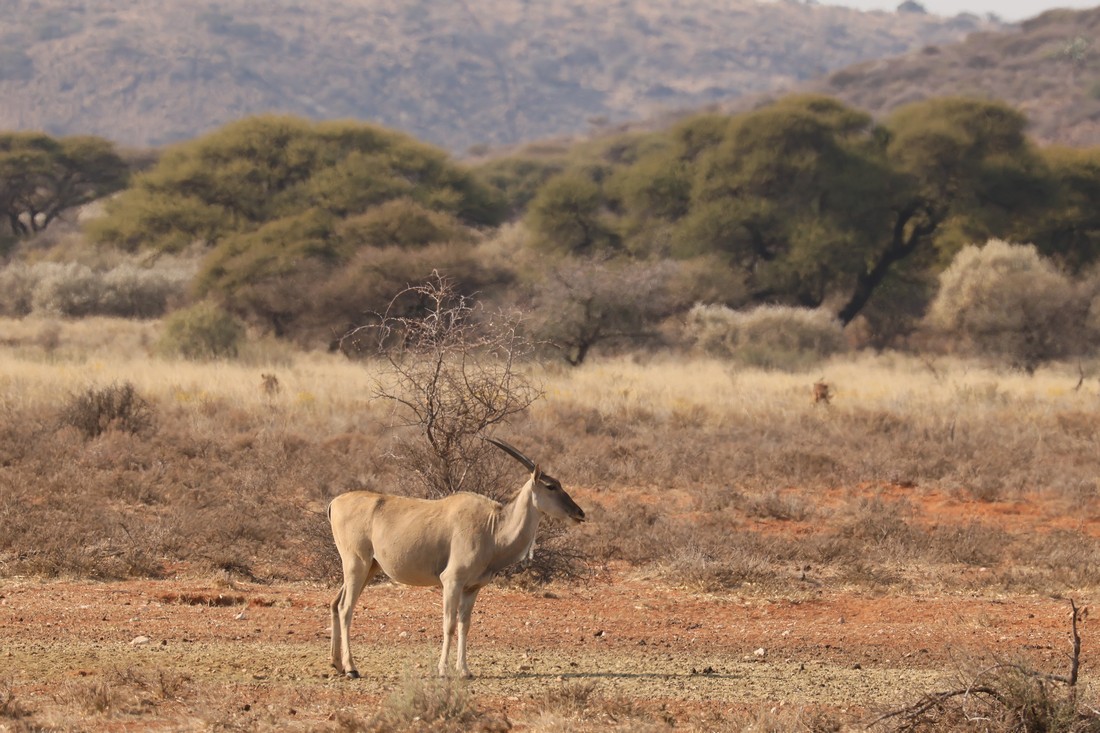 4478 A young eland
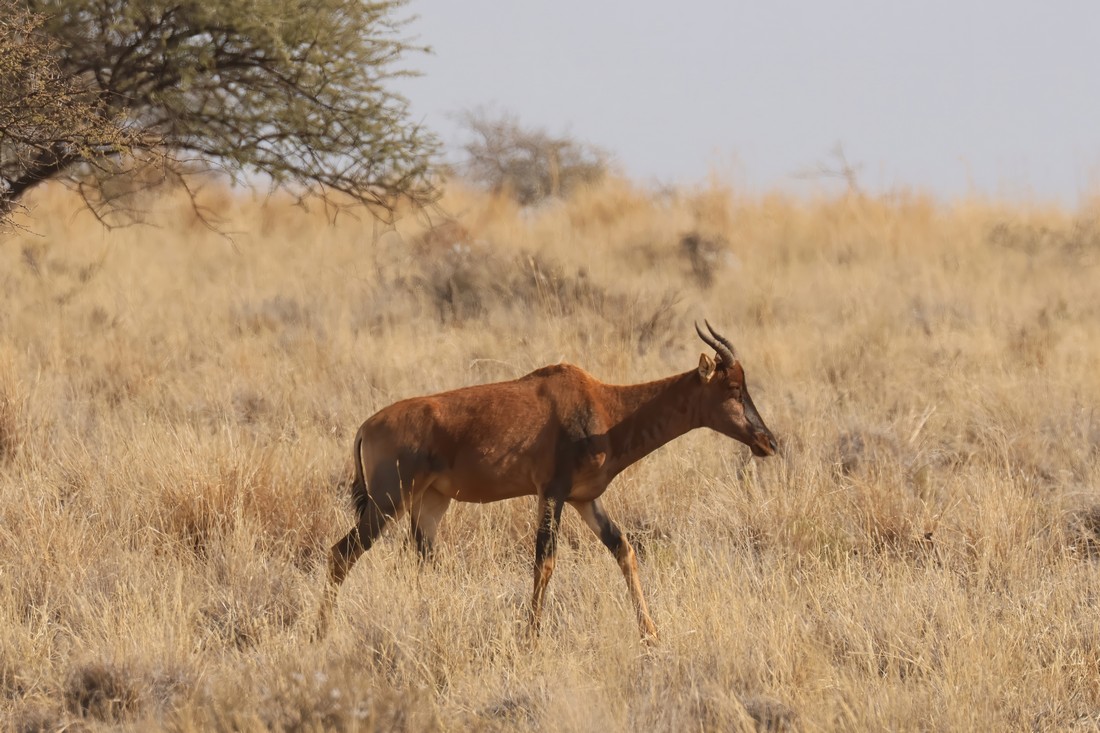 4479 The tsessebe is another South African relative of the topi found in the Massai Mara in Kenya
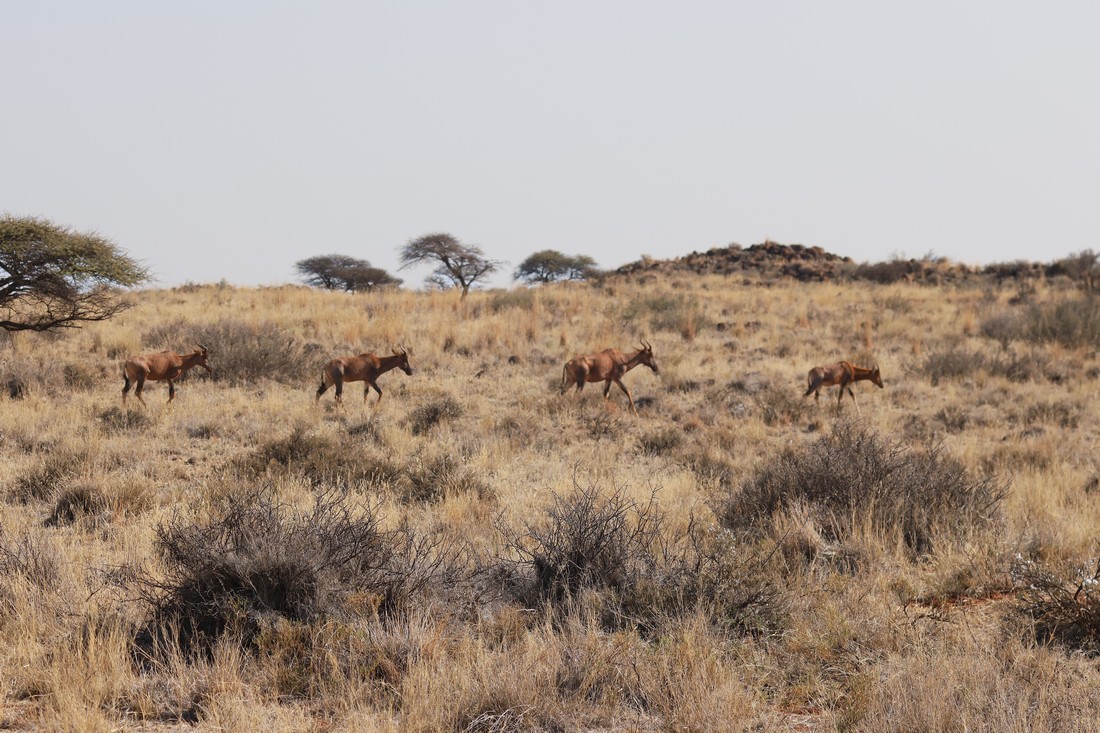 4480 Sumplands snd floodplains are the usual habitat of tsessebe
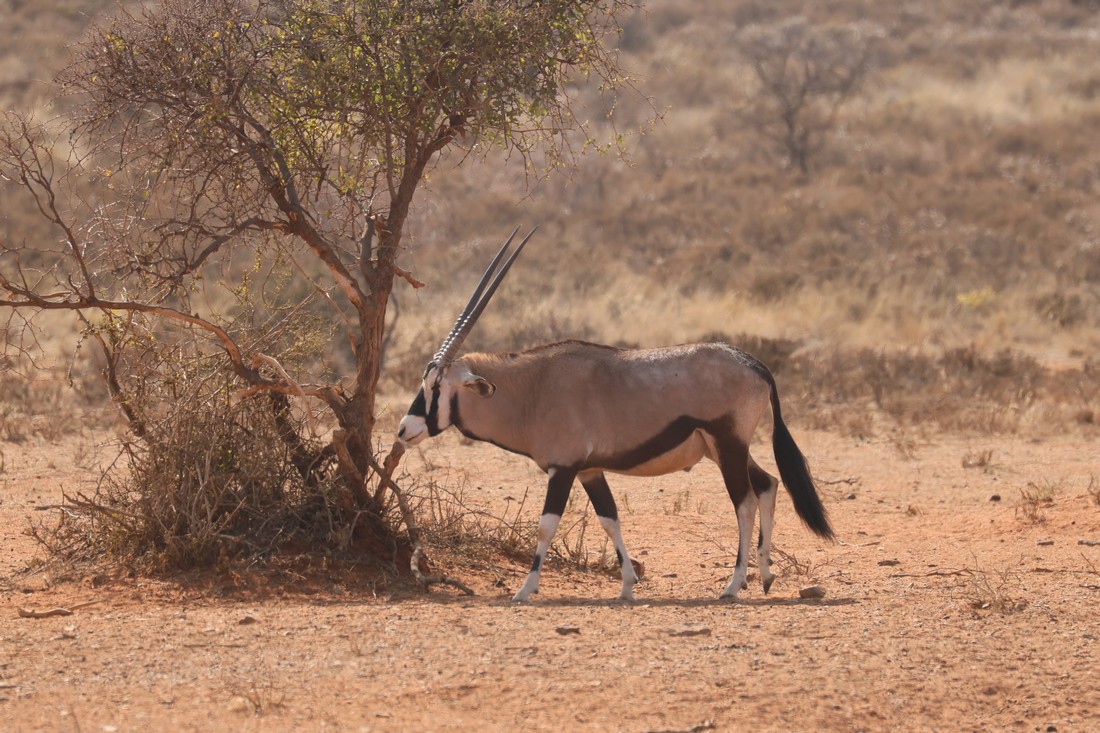 4481 Southern Oryx, also known as the gemsbok
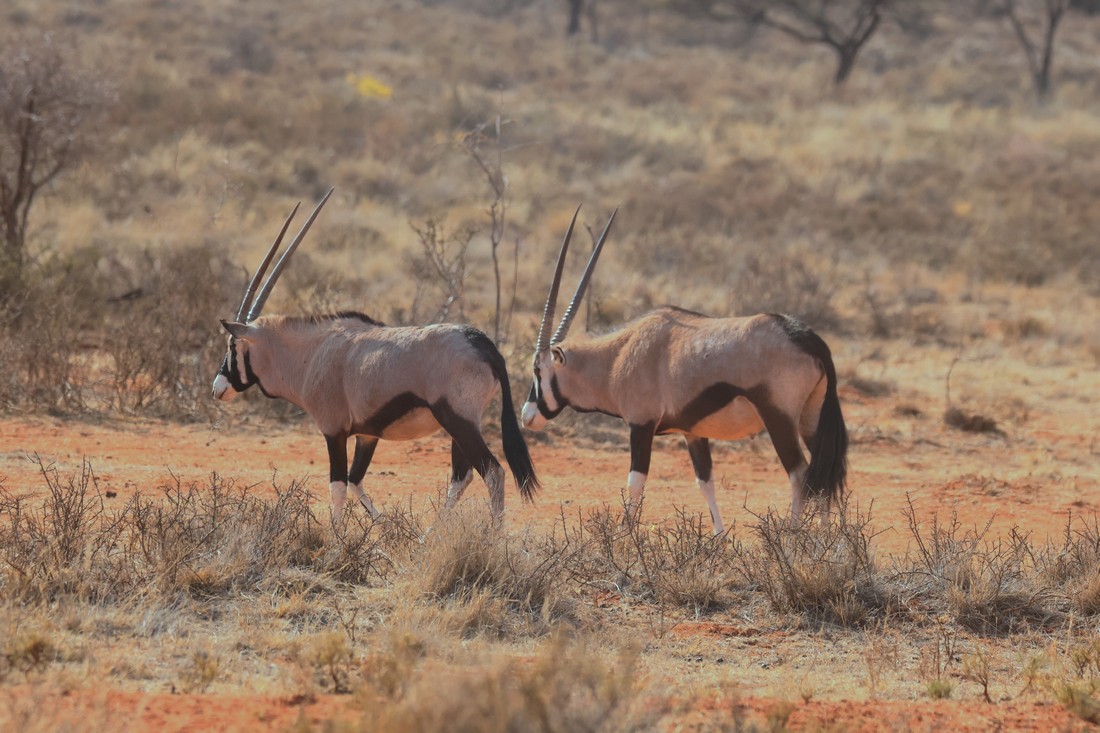 4482 Gemsbok range over vast dry areas of Namibia, Botswana and South Africa
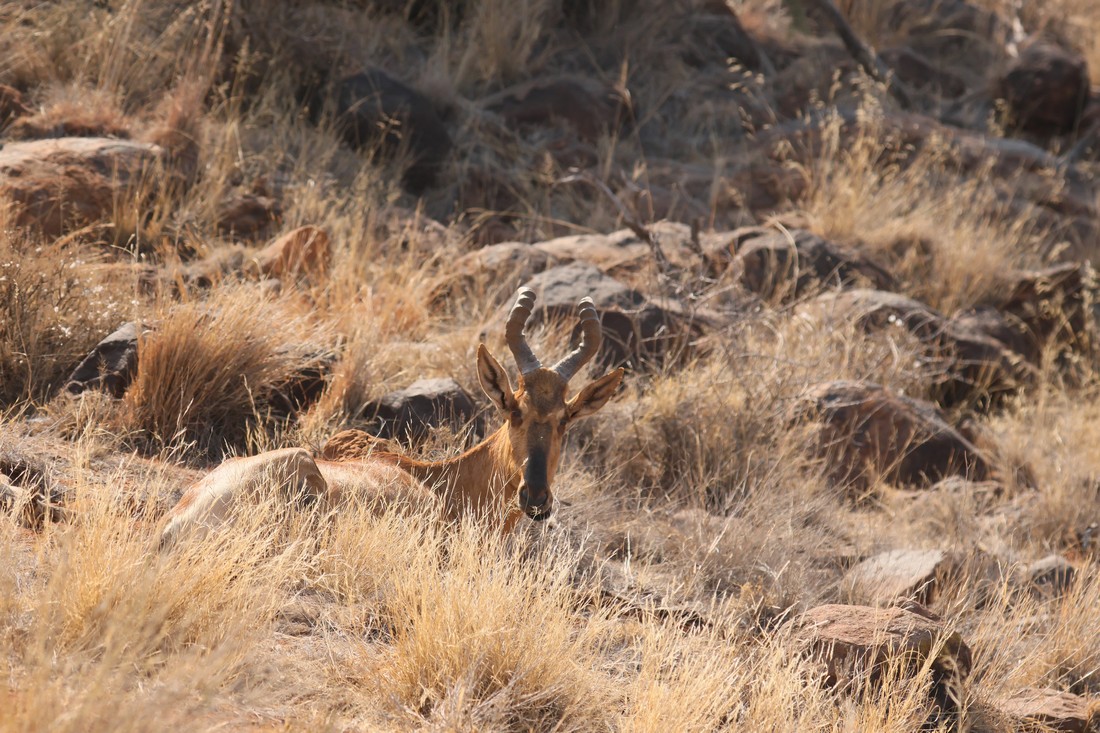 4483 Red hartebeeste taking it easy. Both sexes have horns
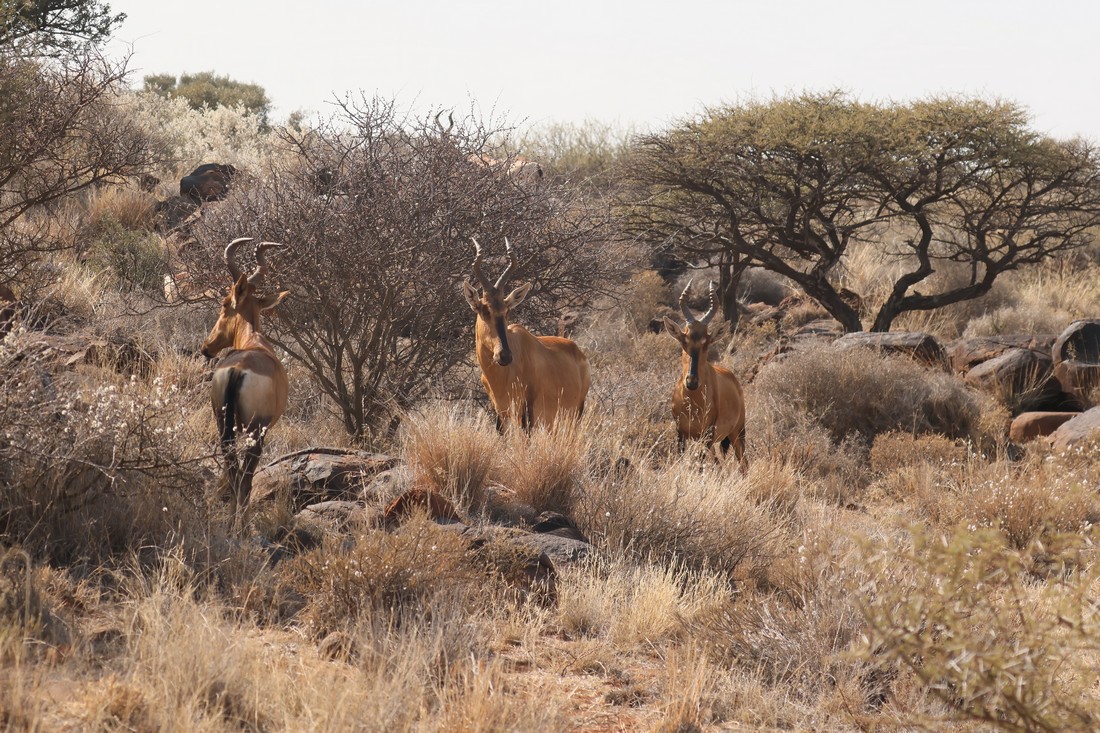 4484 Red hartebeeste are distinguished by their horns which dont point back like the tsessebe, they first go up and then curve.
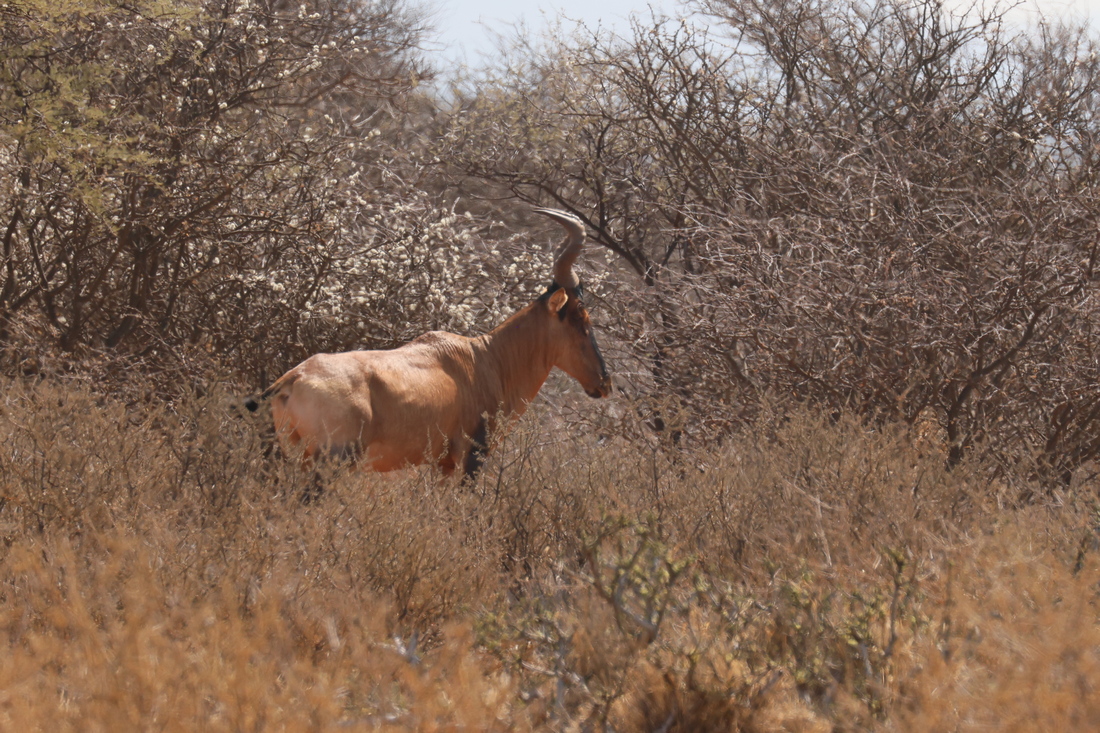 4485 Red hartebeeste are primarily grazers, eating grass, leaves and shoots
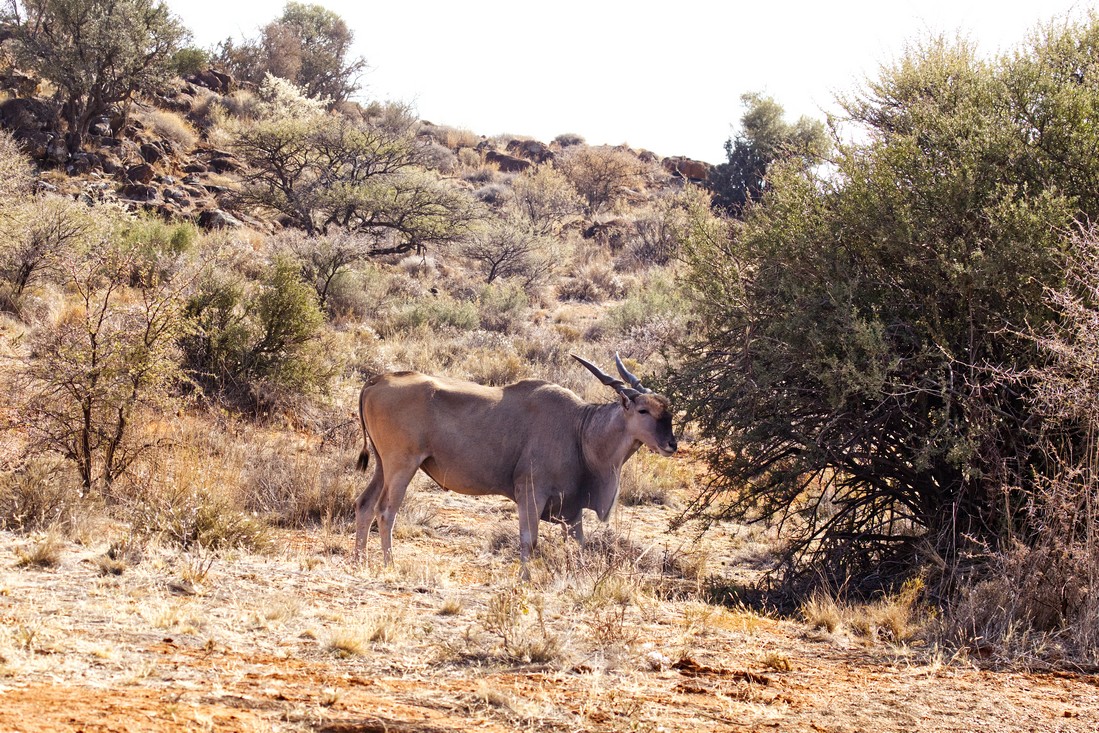 4486 The eland can survive without drinking water, by obtaining all they need from plants
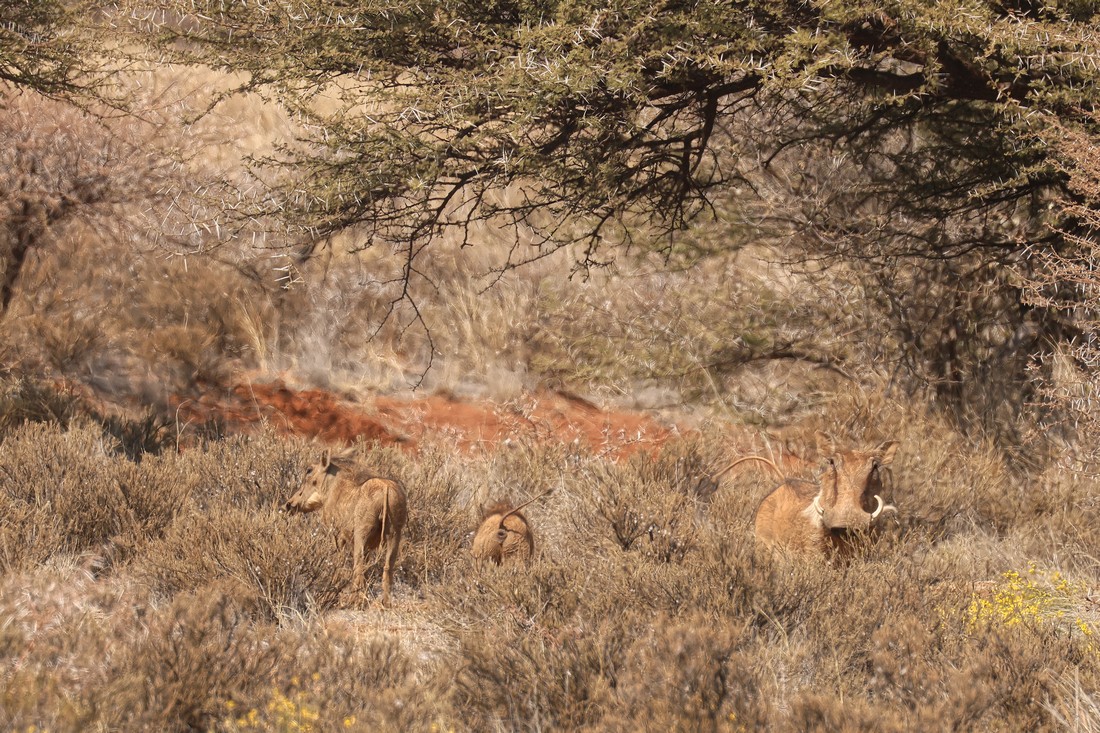 4487 Warthogs will eat grasses, roots, fruits and even carrion. They can run at speeds up to 30mph
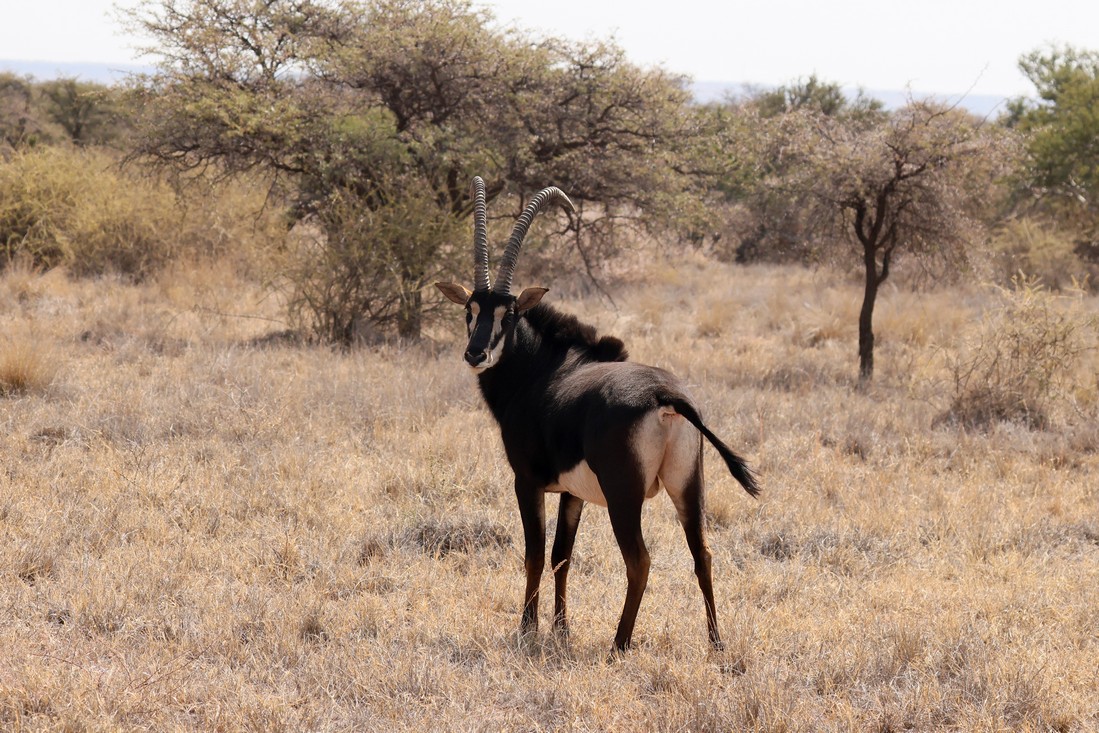 4488 A mature sable bull. They like savannah woodlands, often near water
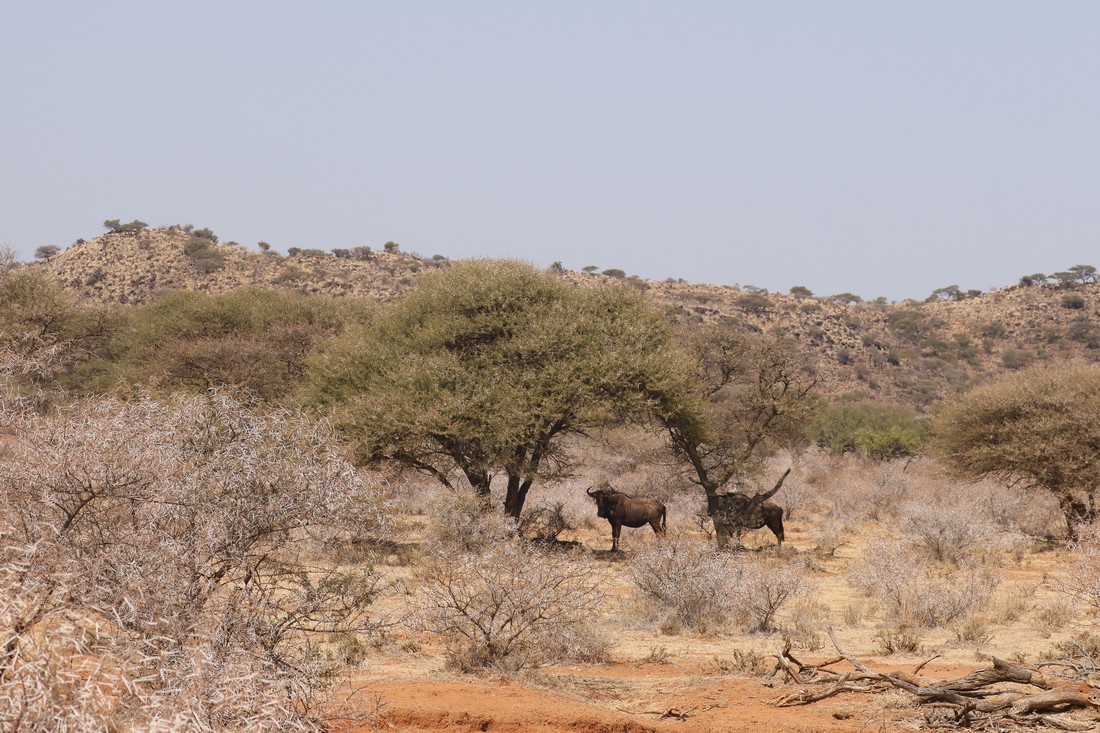 4465 Blue wildebeeste are in small groups here, but will form massive herds in open savannah
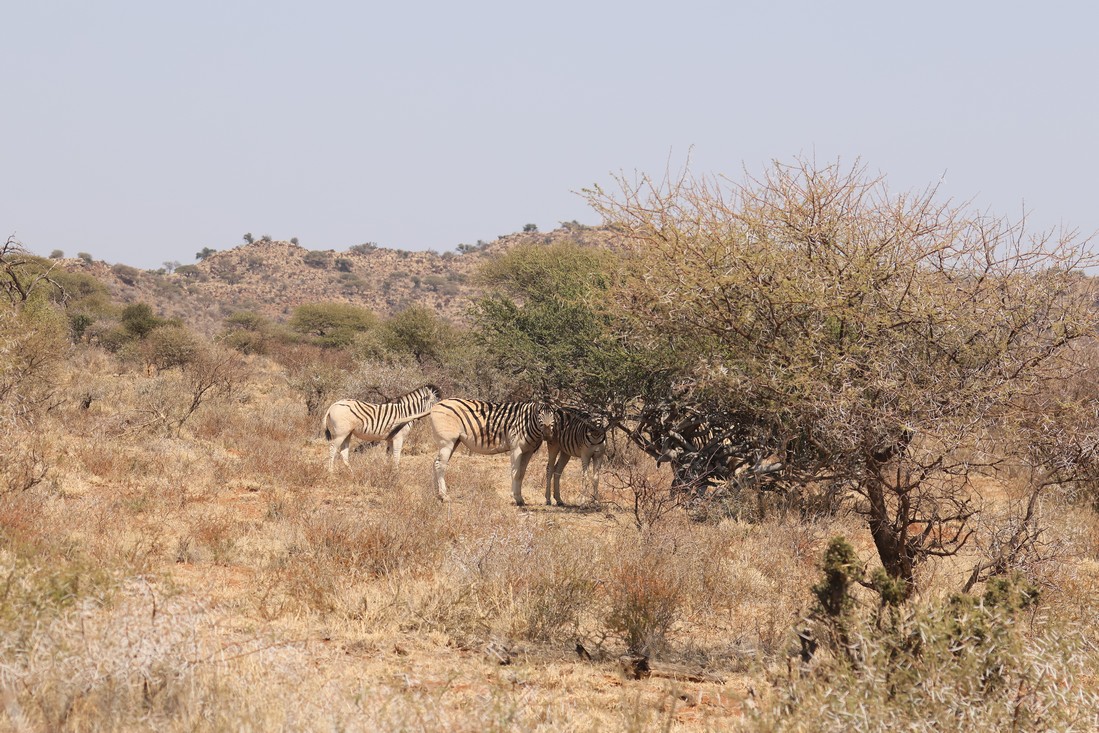 4490 Zebras are thought to use their stripey pattern as an insect deterrence
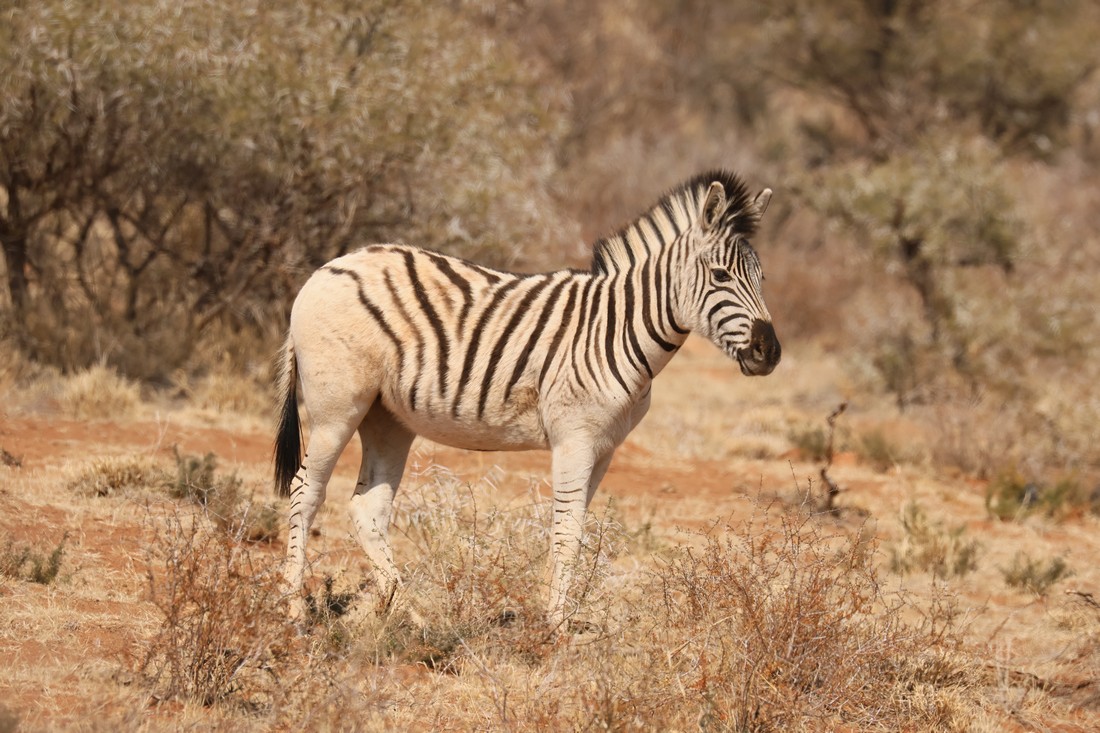 4491 Zebra foals can stand within minutes of being born
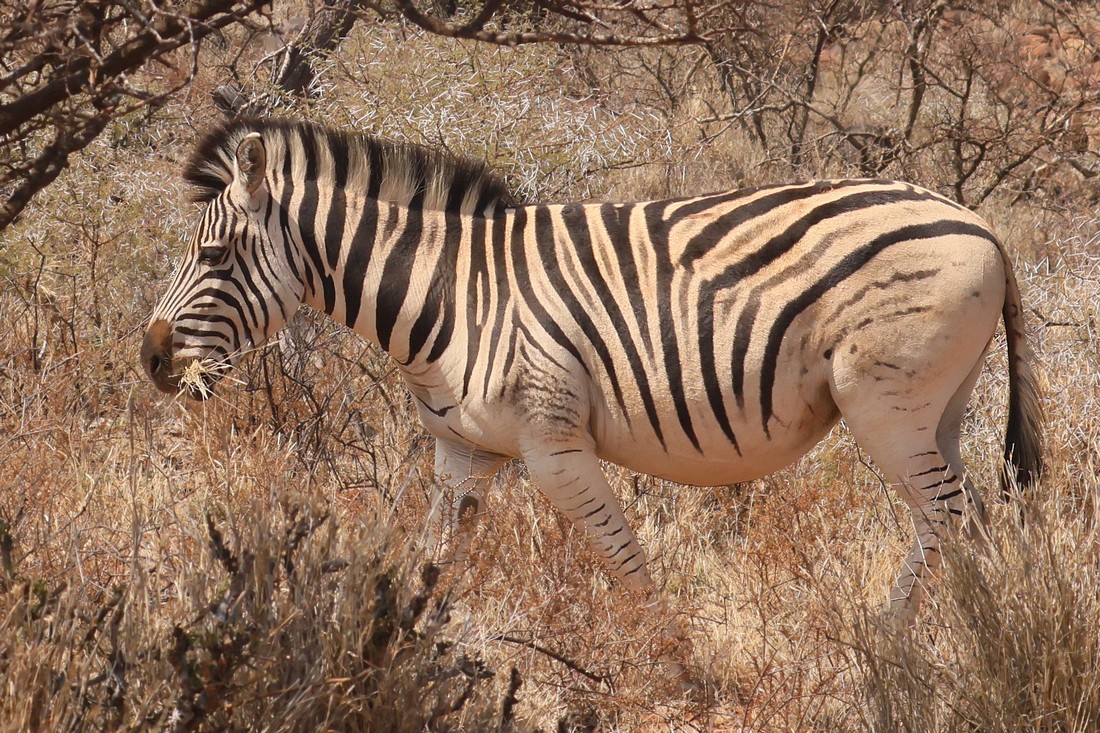 4492 These are probably Burchell's zebras although attempts have been made to make them look more like the quagga
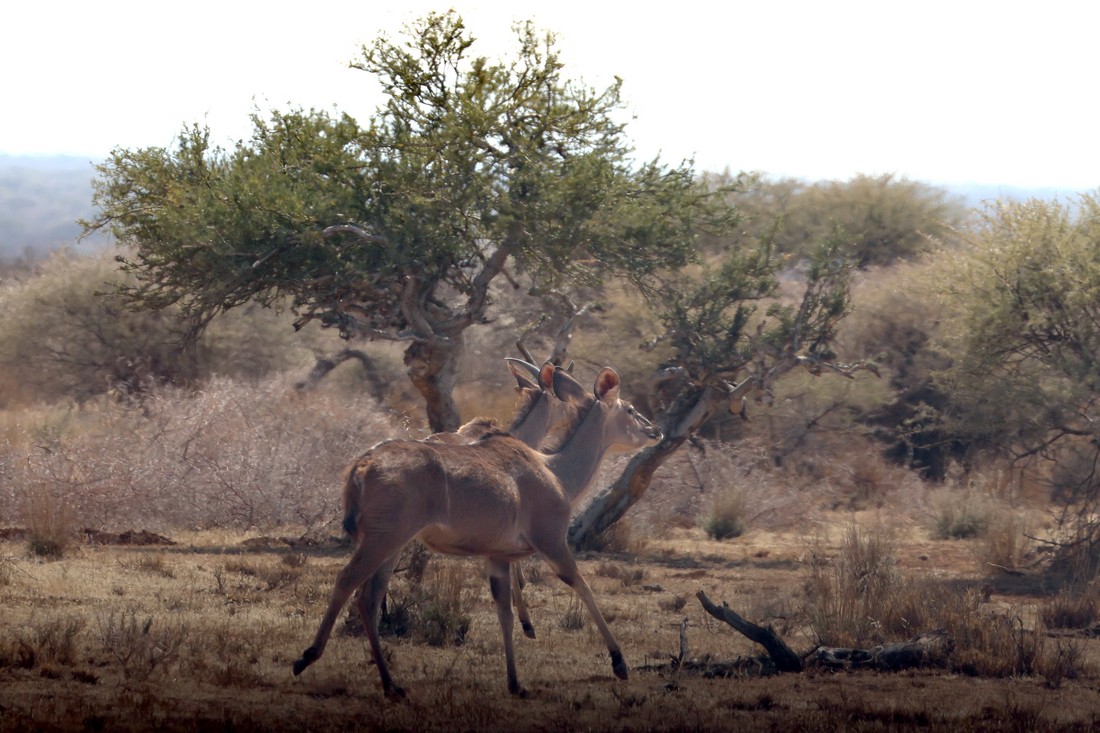 4493 A pair of Southern greater kudu
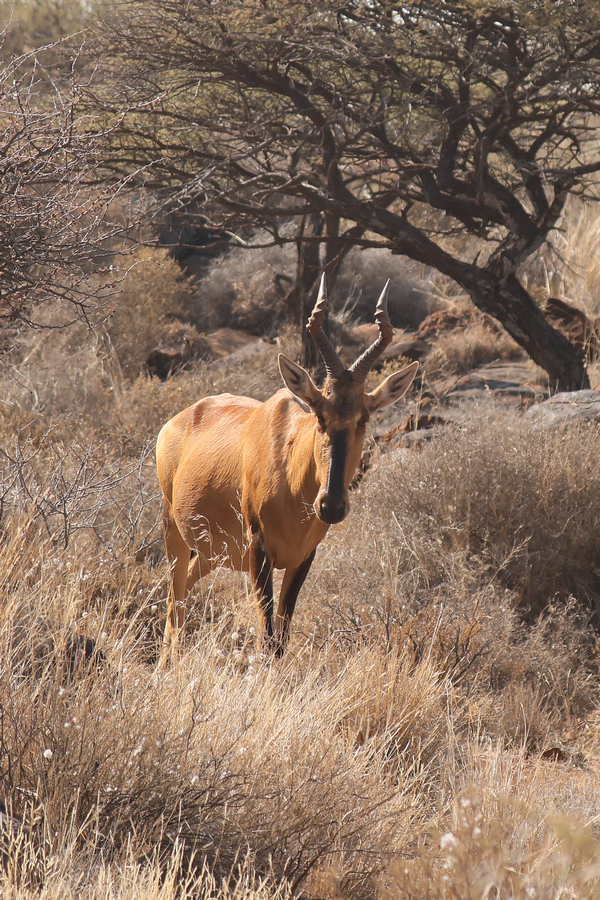 4494 Red hartebeeste
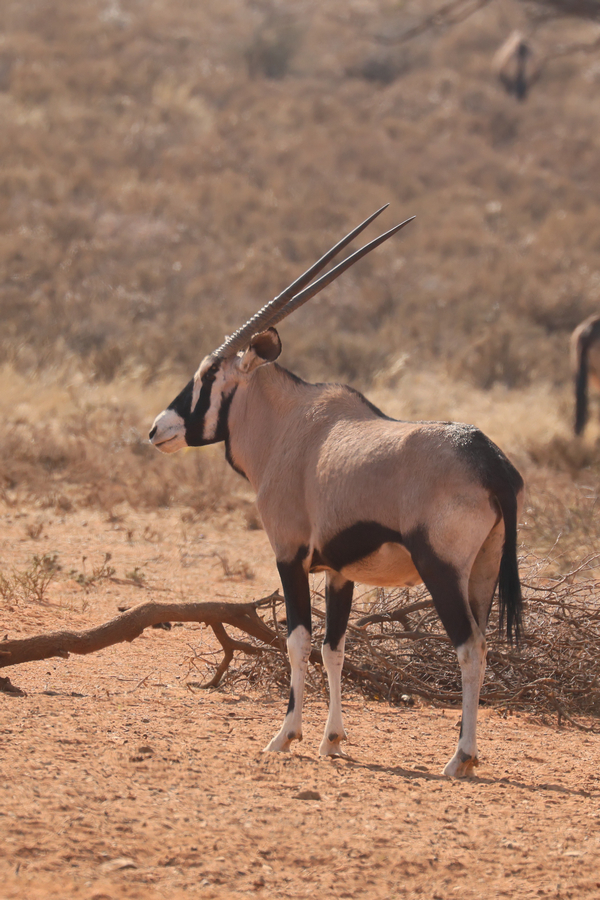 4495 Gemsbok
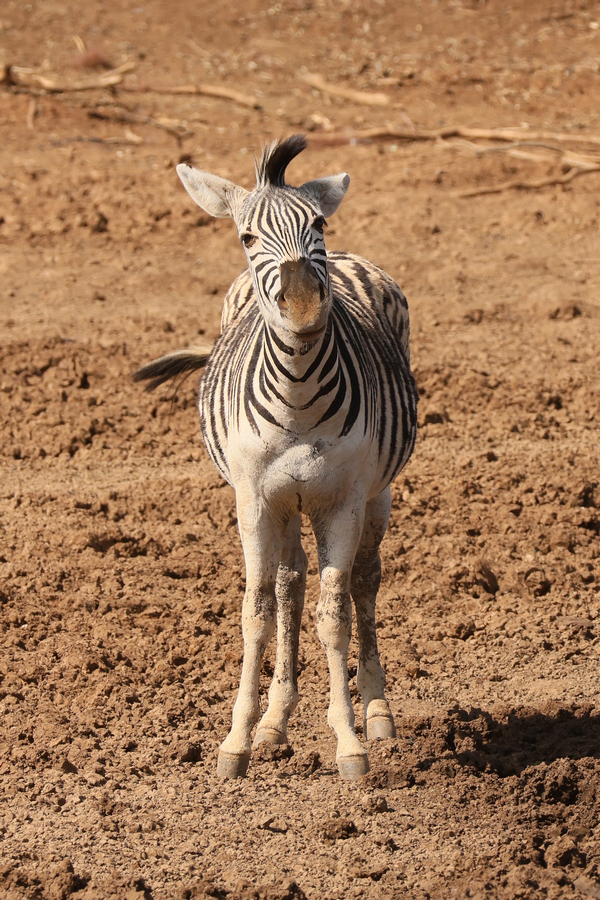 4496 Zebra will eat tough long grass as well as leaves and bark. They need water