
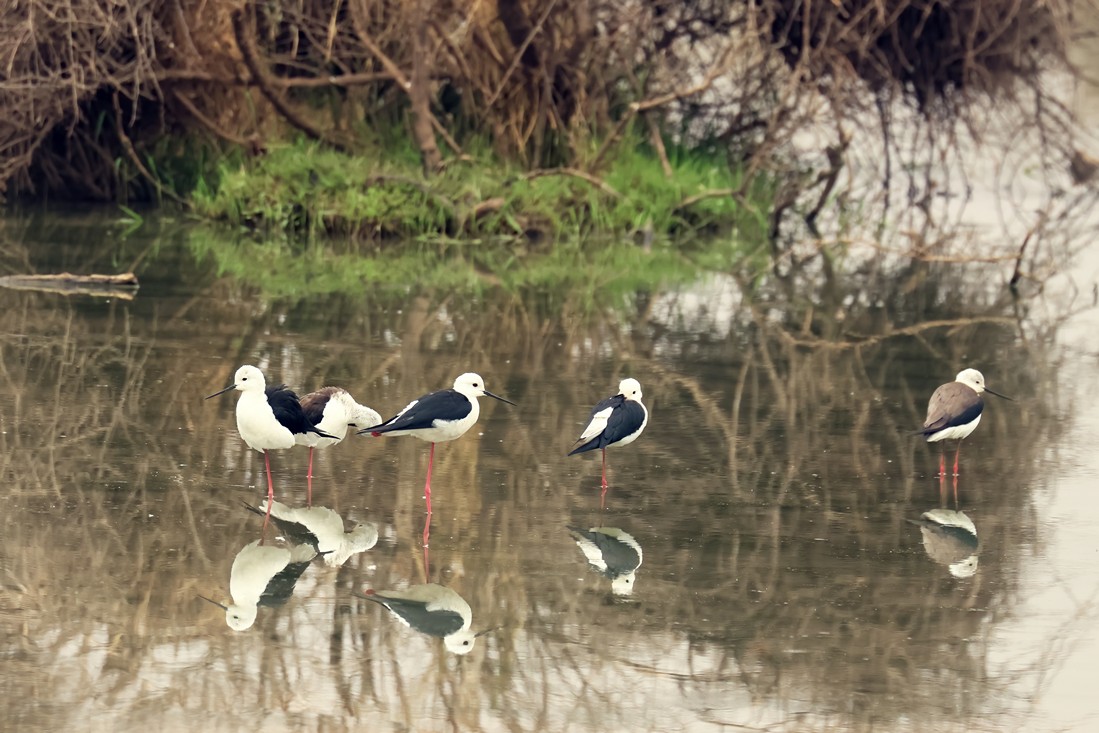
 4674 The black-winged stilt is notable for its long red legs
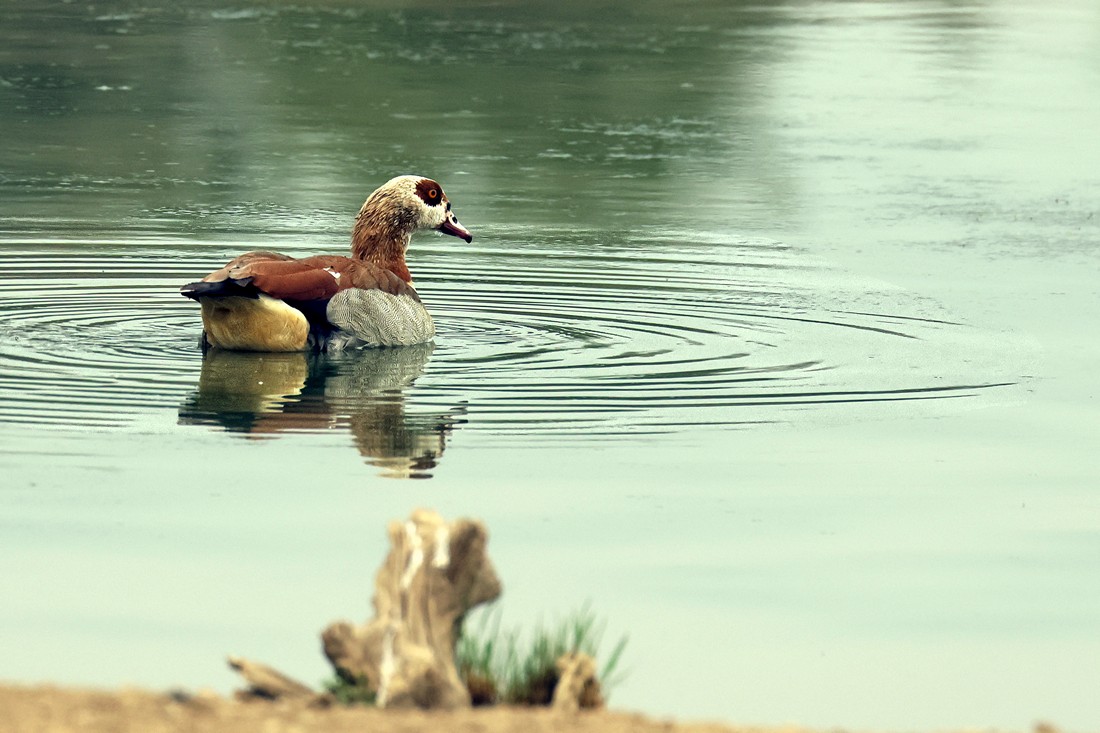 4675 An Egyptian goose is common throughout much of eastern and Southern Africa. It is actually a duck
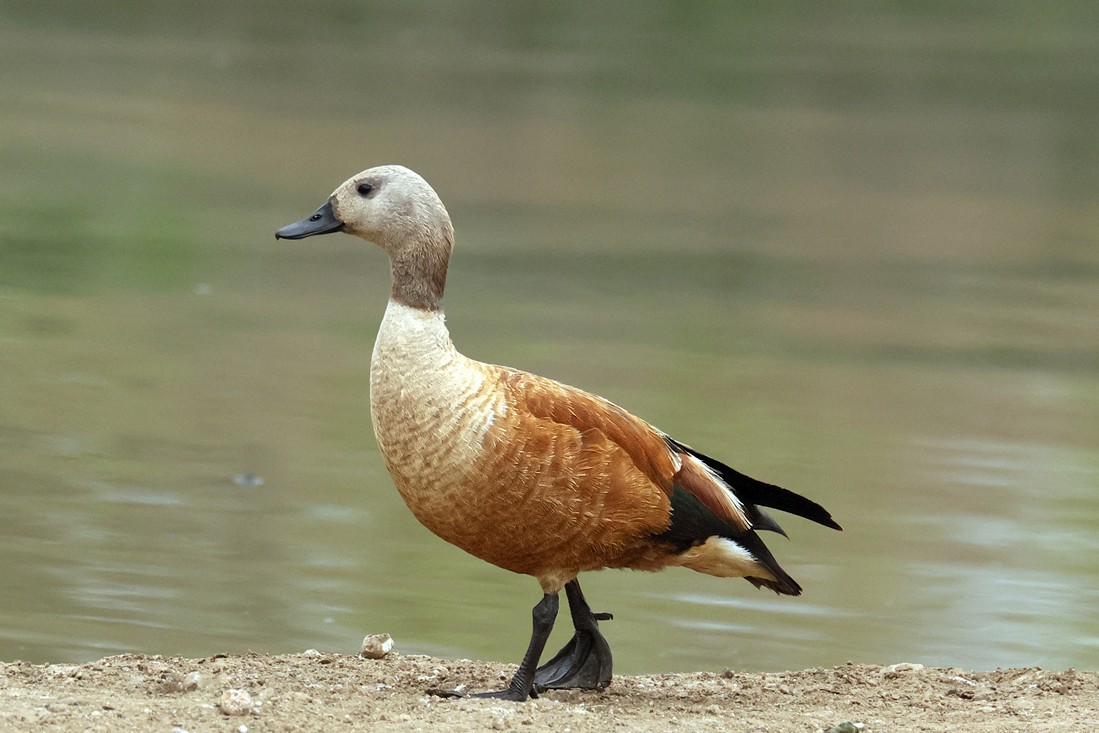 4676 A male South African Shelduck. The female has a white head and dark neck
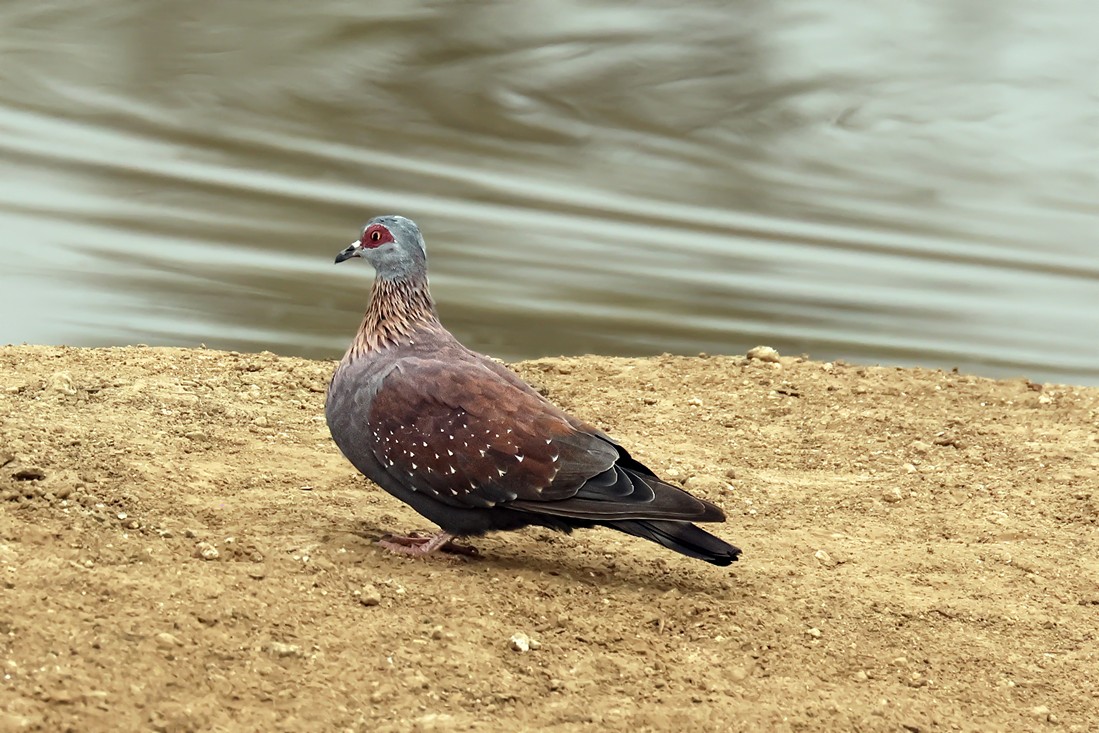 4677 A speckled pigeon. its name derives from its spotted wing coverts. It is a common resident
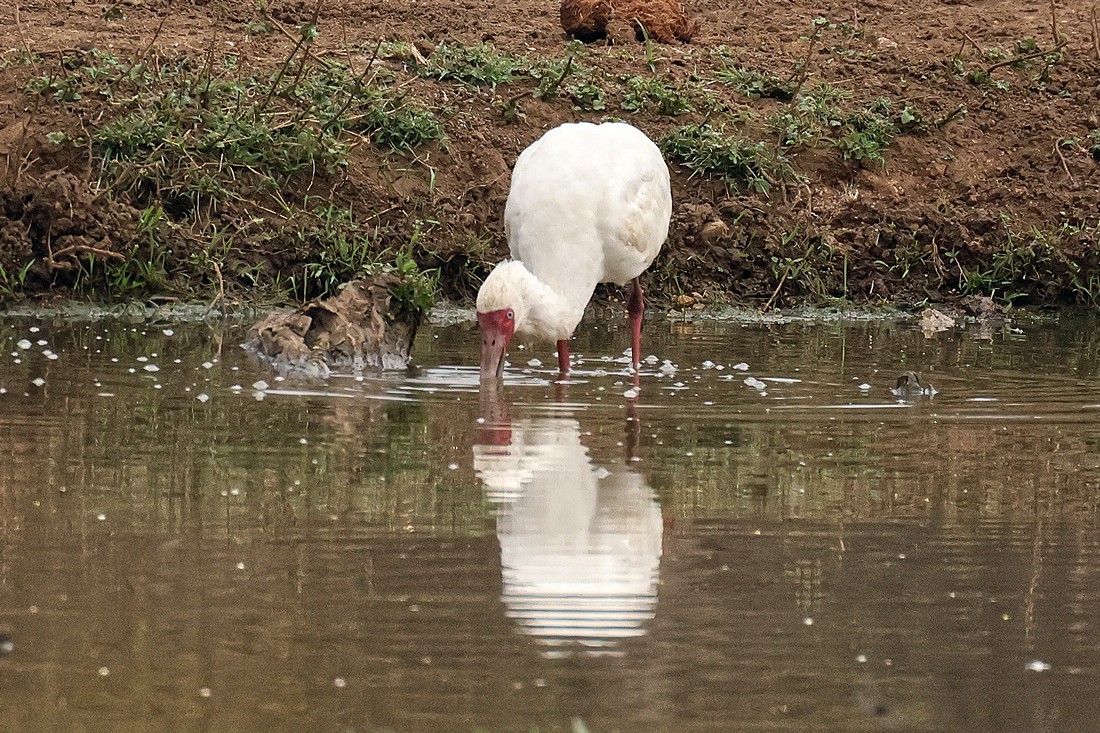 4678 The African spoonbill. It feeds on small fish, aquatic invertebrates and amphibians
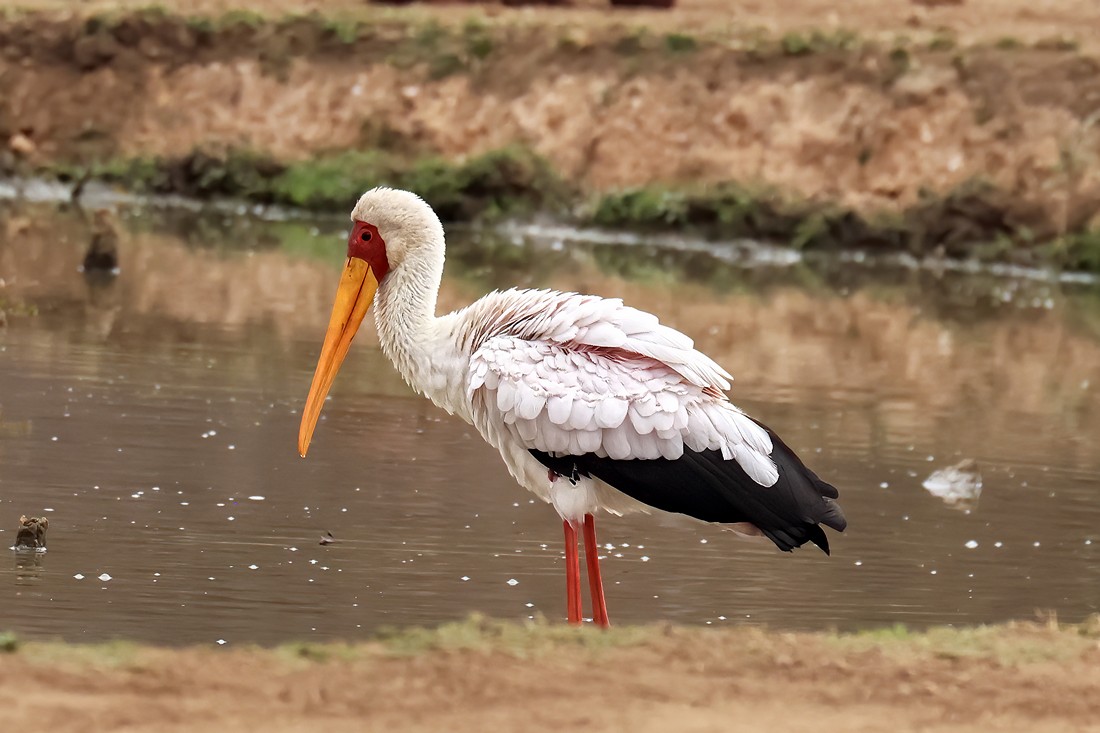 4679 A yellow billed stork. The bright red facial skin and pink tinged feathers indicate that it is in breeding condition
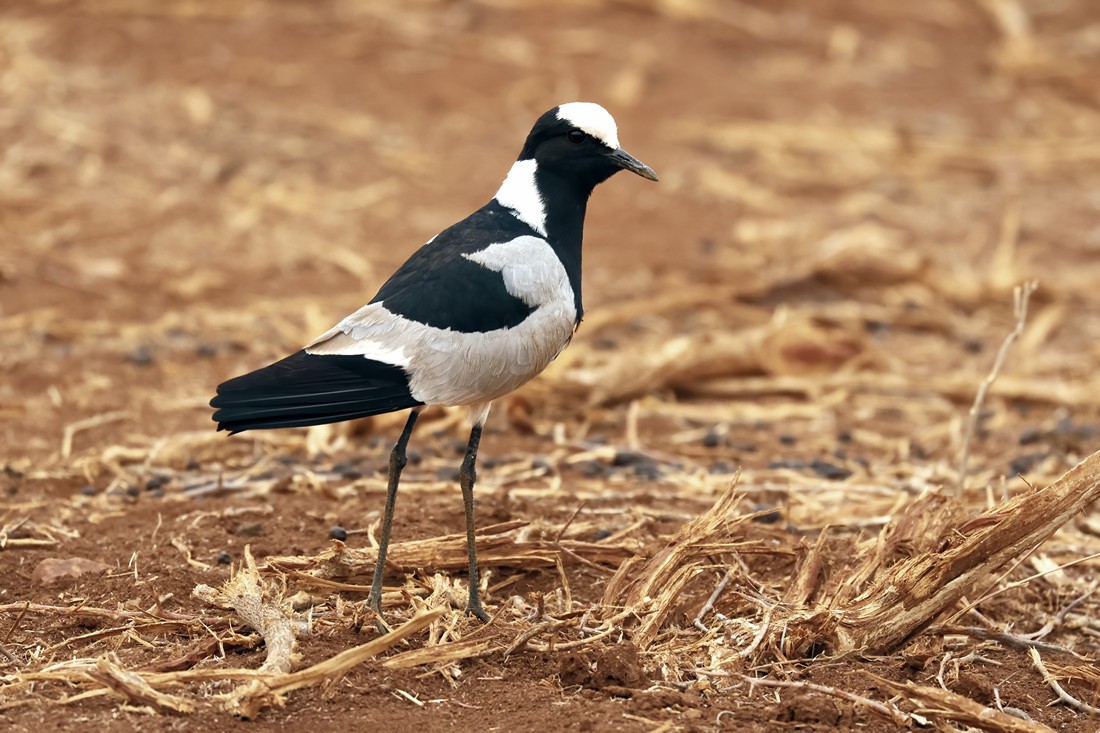 4680 The blacksmith lapwing enjoys wetland edges and the surrounding savannah
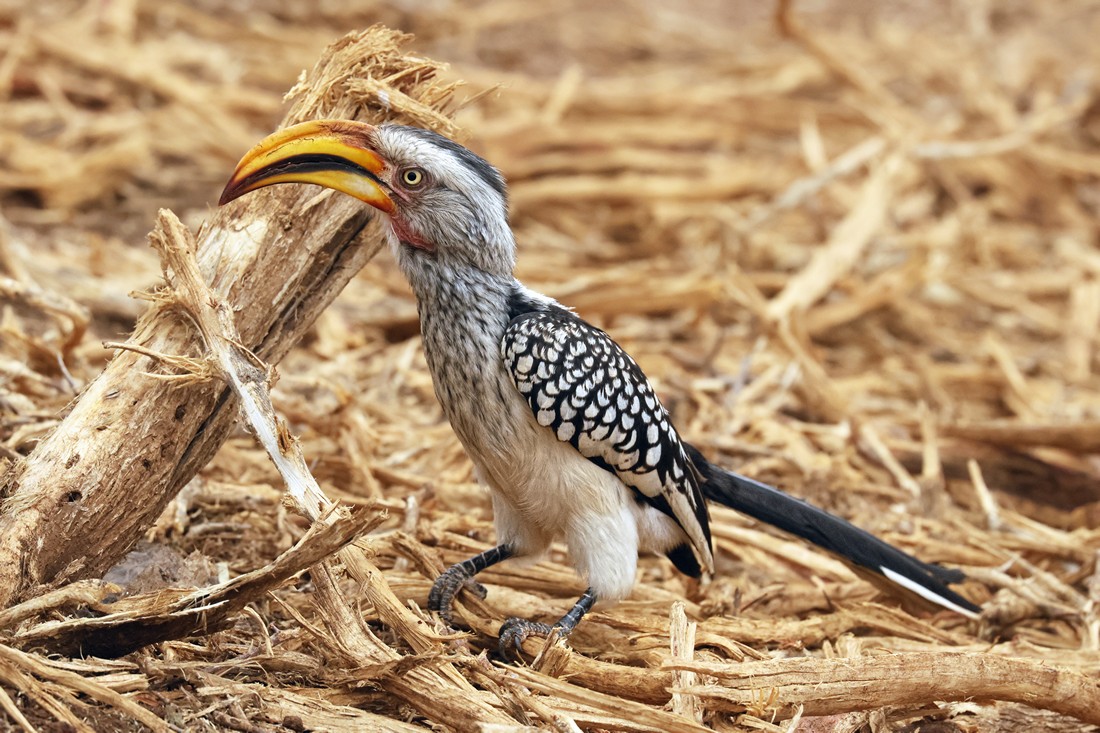 4681 The southern yellow-billed hornbill inhabits dry bushveld and broad-leaved woodlands
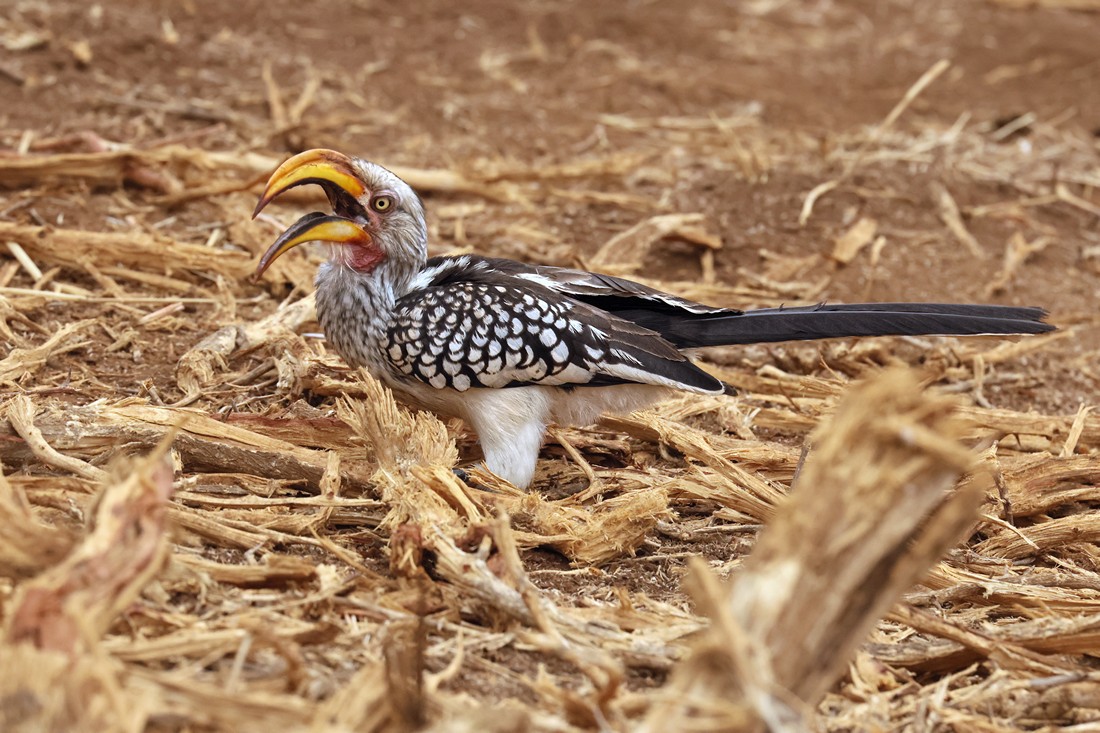 4682 When nesting in a hole in a tree the female hornbill is cemented in and relies on the male for food
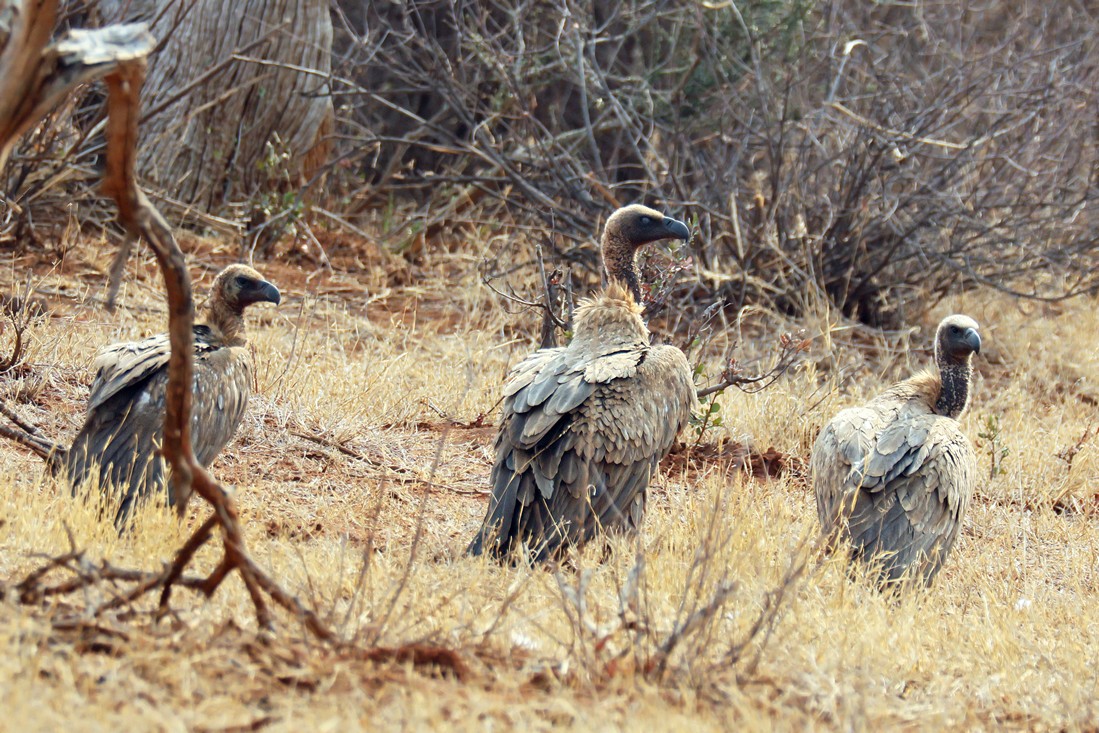 4683 A trio of white-backed vyultures. White is visible as a patch on the lower back when in flight
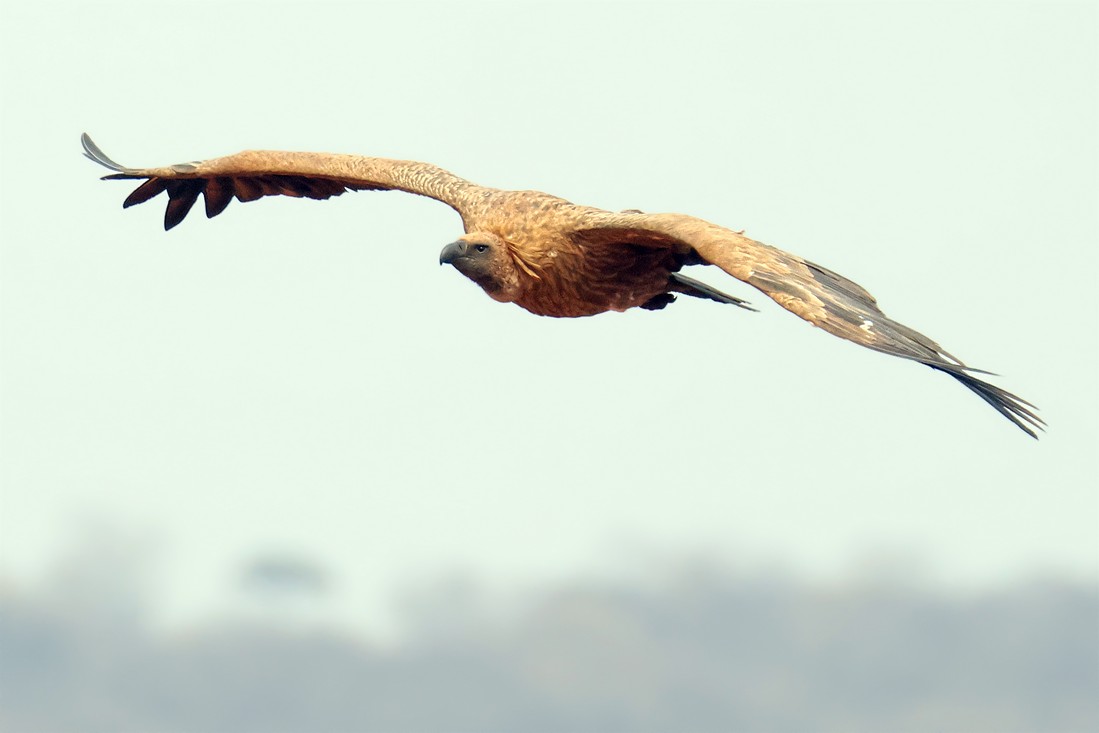 4684 A Cape vulture giving us a fly past
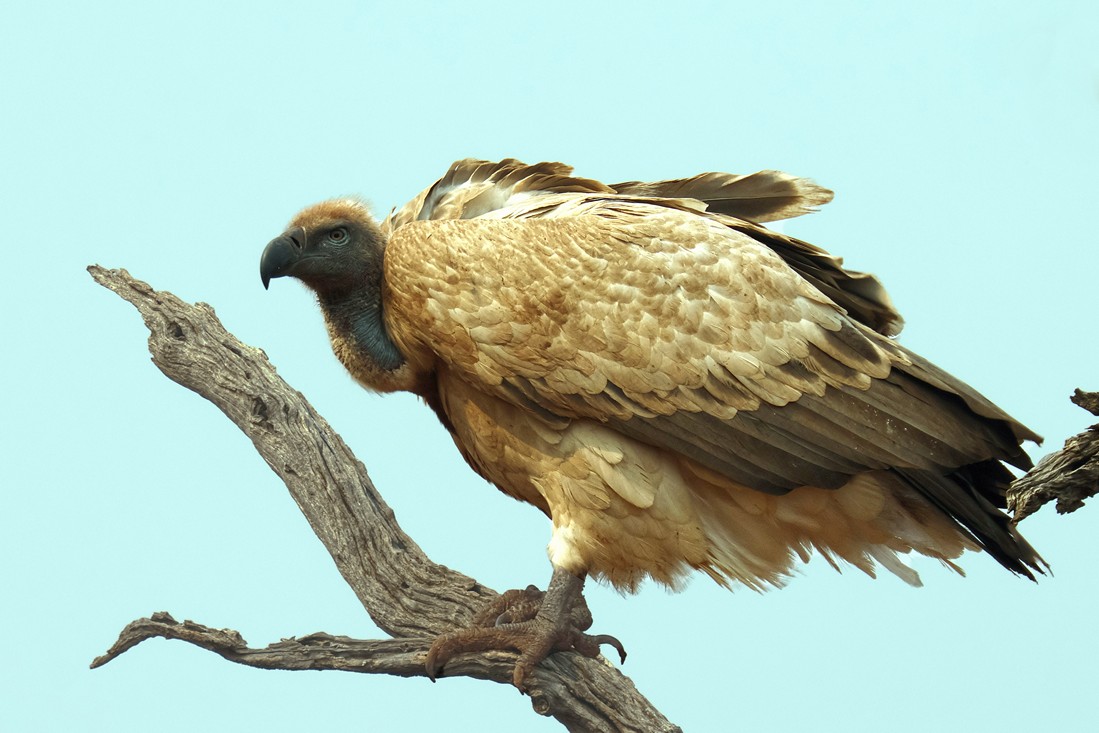 4685 Cape vultures are more creamy or buff coloured than griffons and white-backed
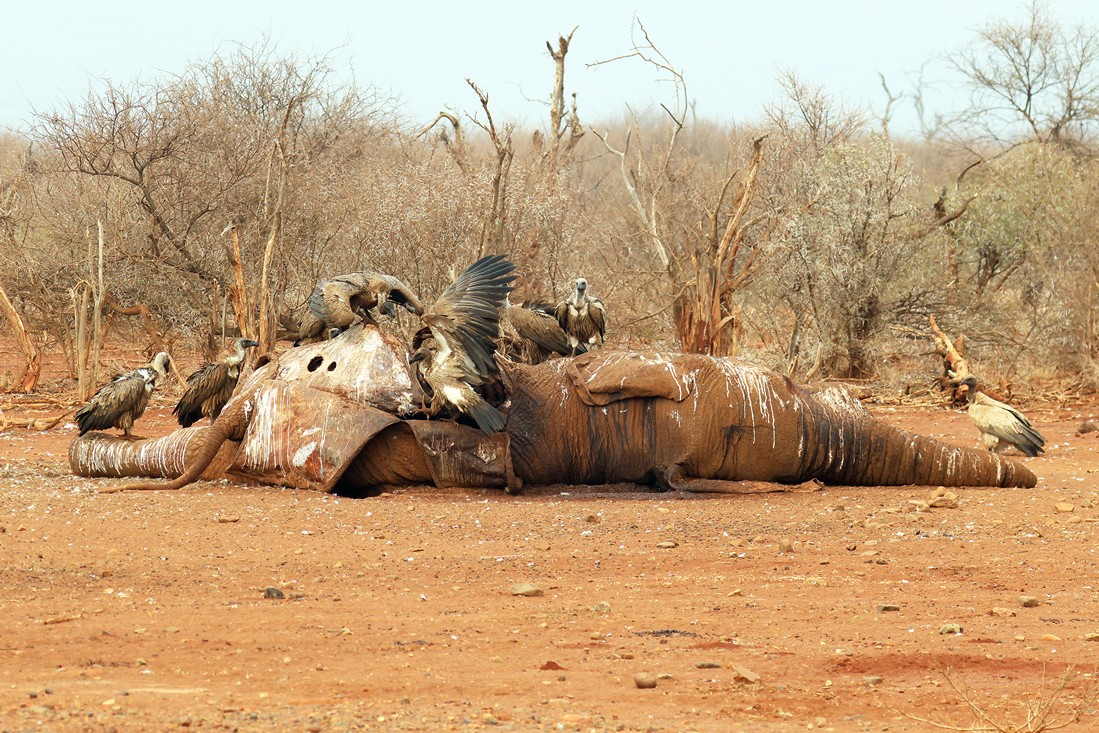 4686 Vultures picking over an elephant carcass. The smell was impressive
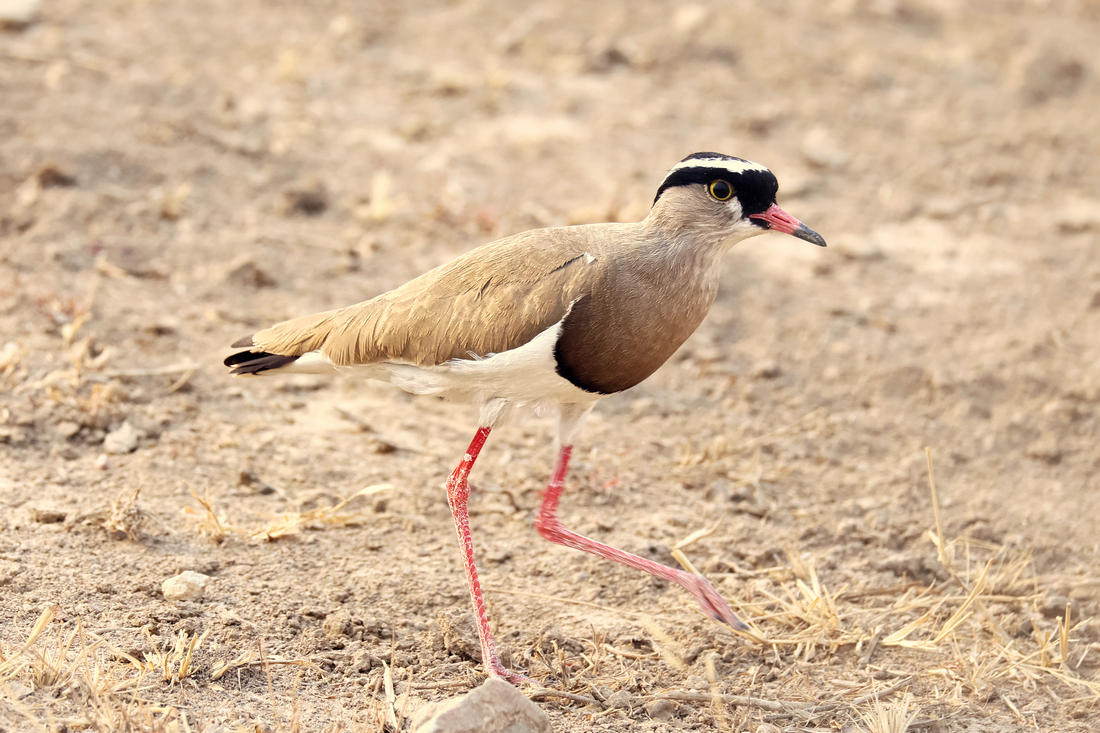 4687 The crowned lapwing favours short grassland
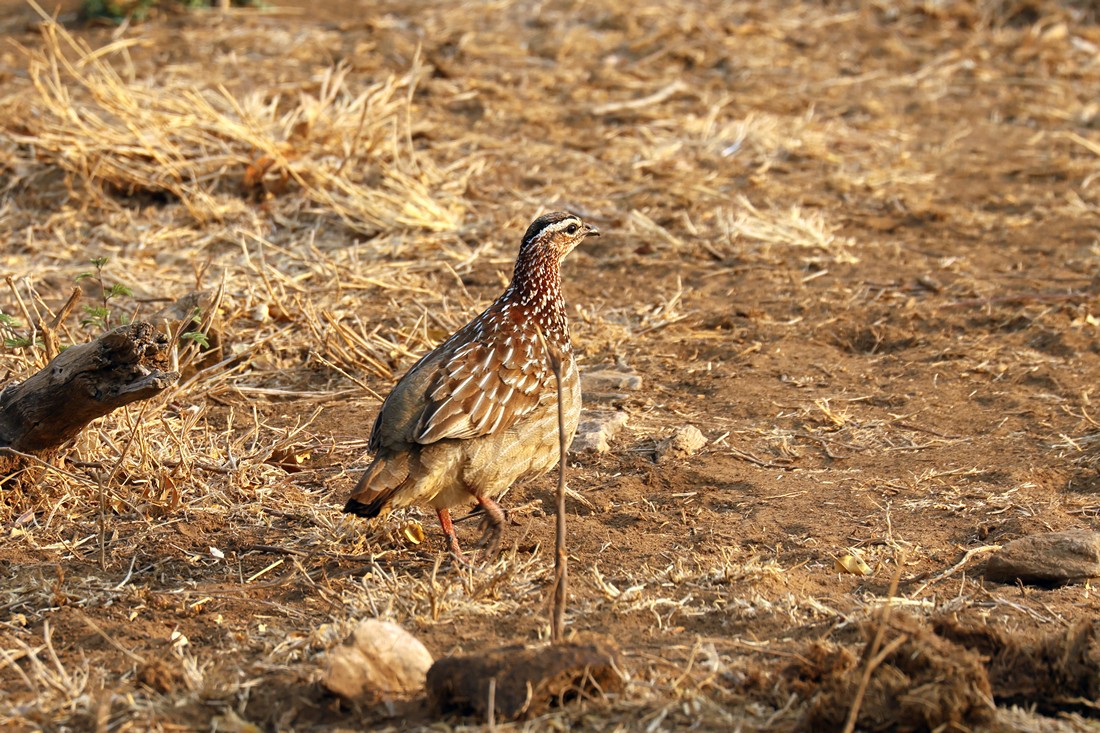 4688 The crested francolin is very widespread and also very noisy
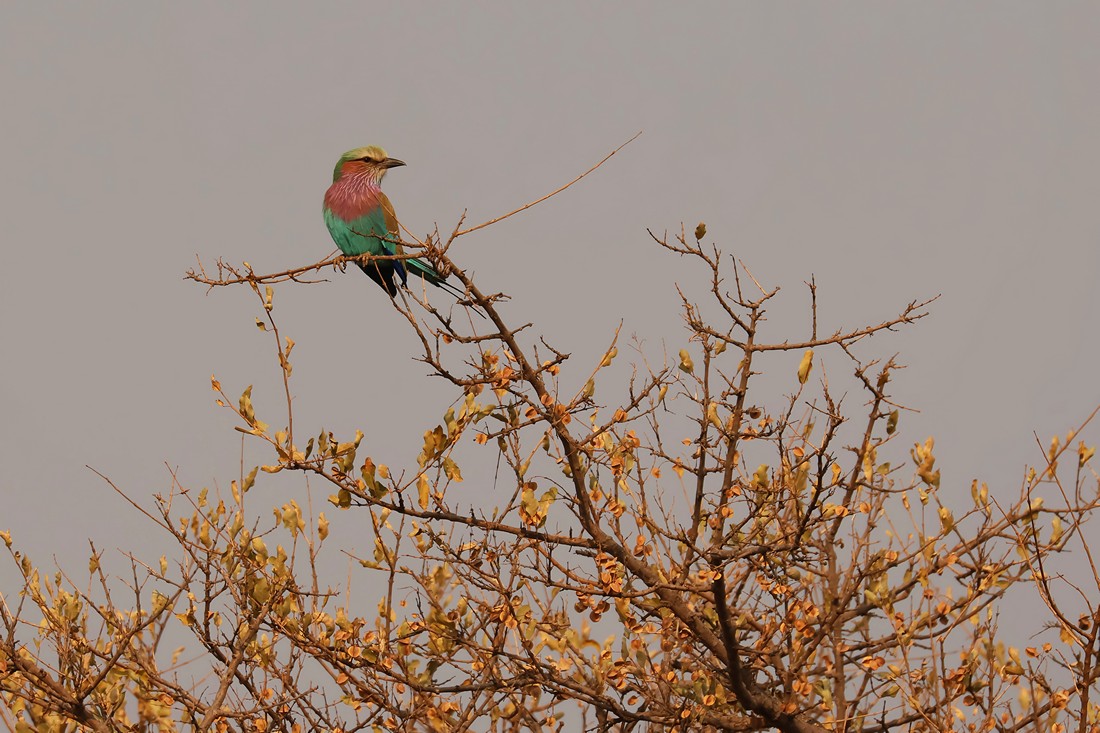 4689 Our old friend the lilac-breasted roller on the lookout for insects
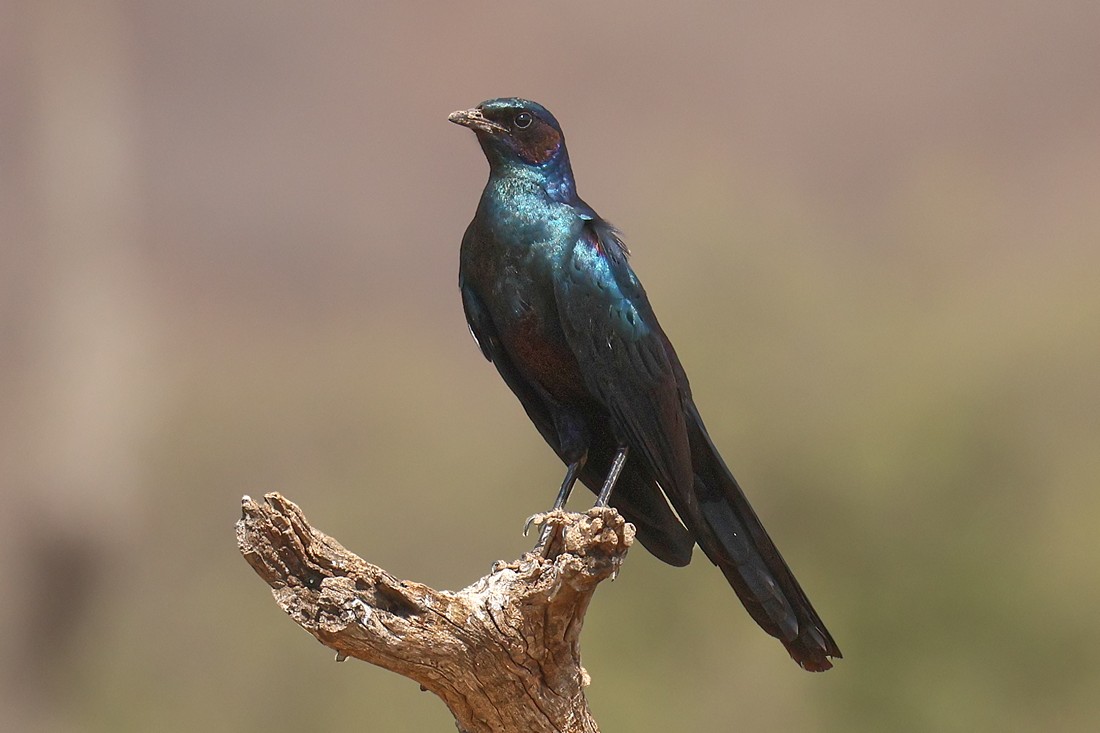 4690 A Burchell's starling is the largest of the glossy starlings. It has a black eye
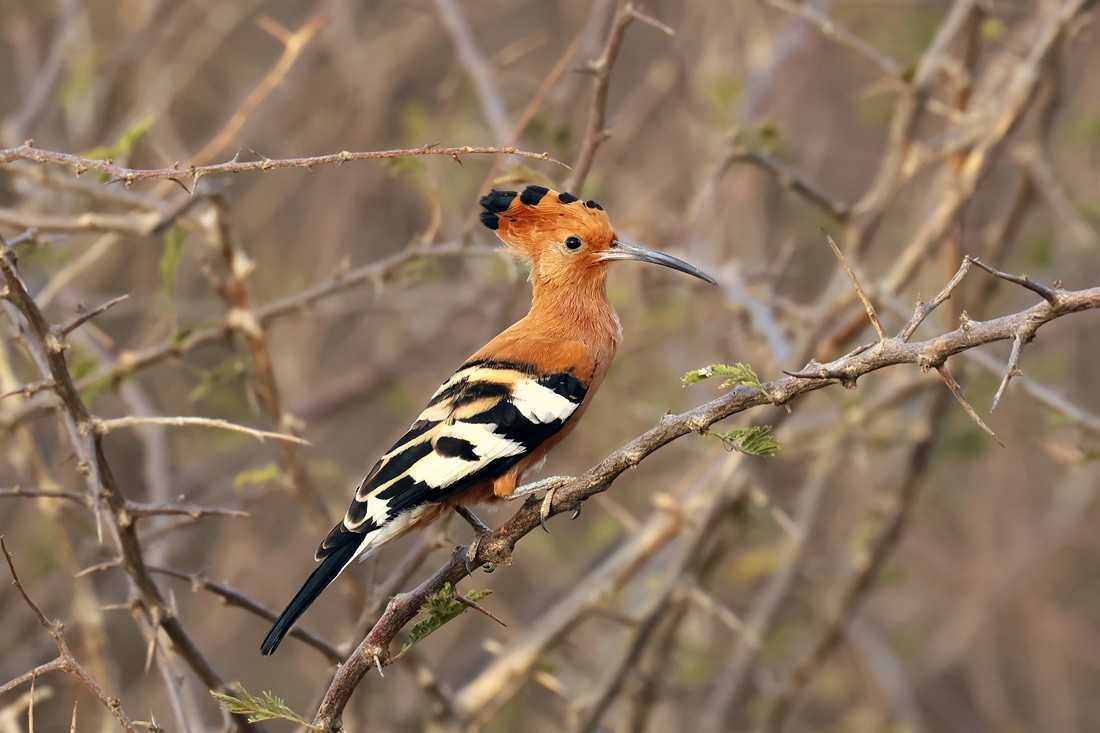 4691 The African hoopoe has no white subterminal bands on its crest and has all black primary wing feathers
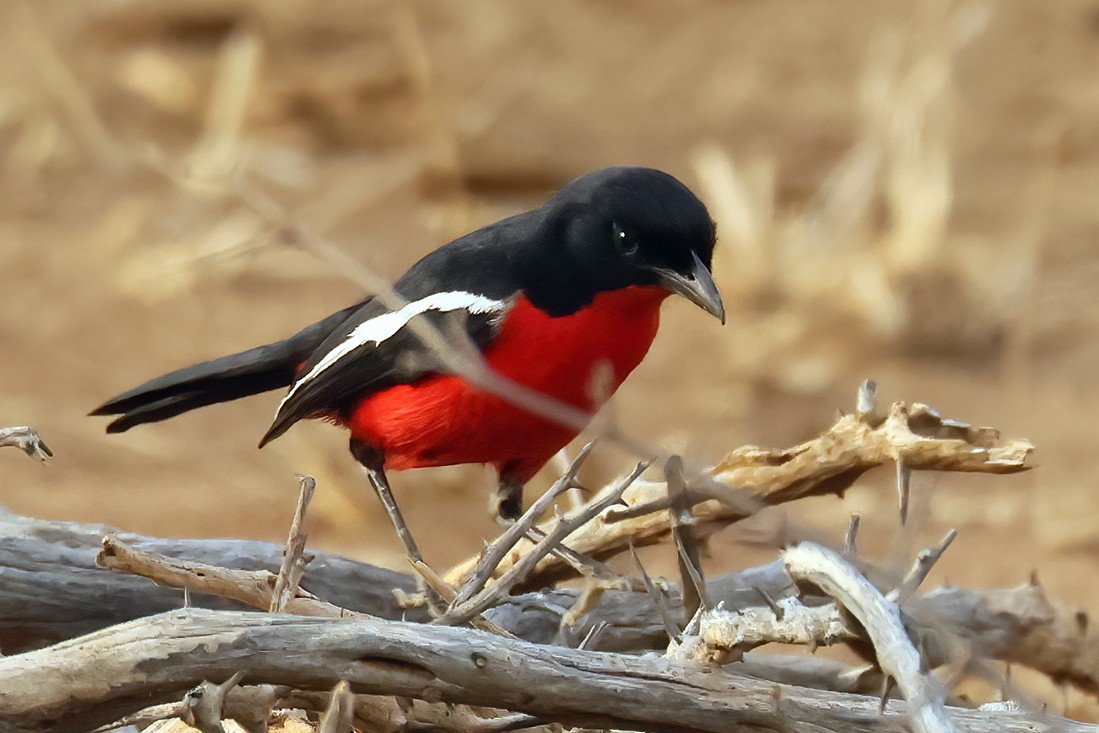 4692 A crimson-breasted shrike. They eat invertebrates, caterpillars and small reptiles, and live in dry thornbush and thickets
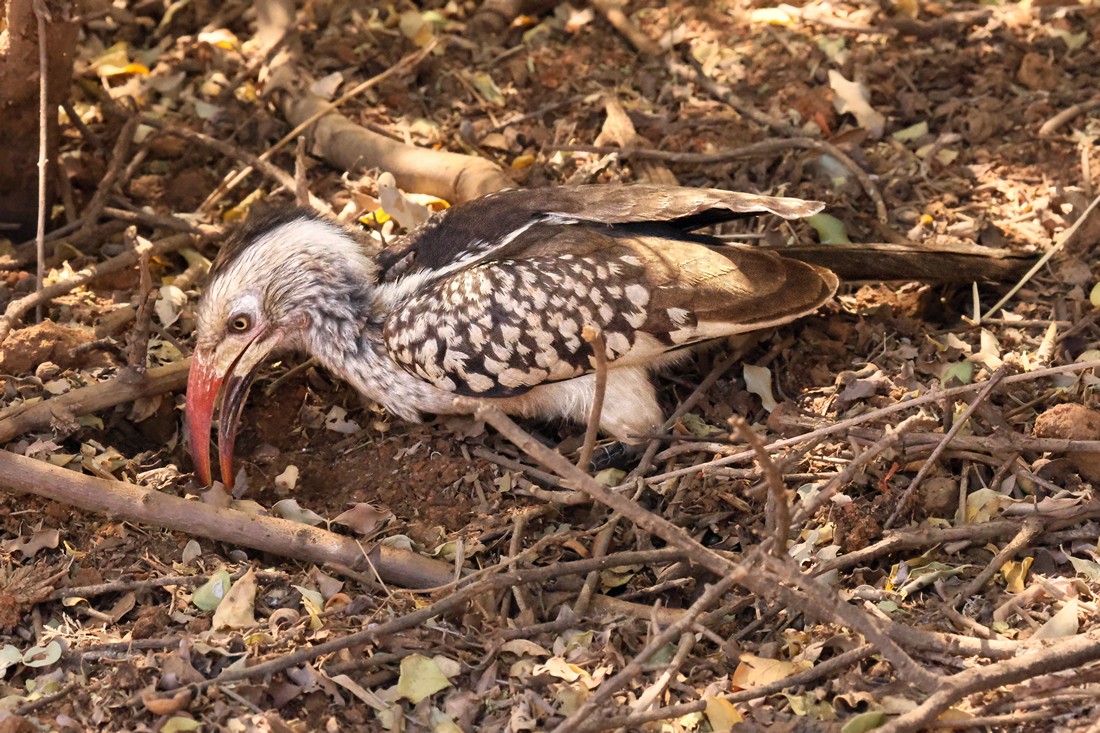 4693 The southern red-billed hornbill is fairly common but does not extend as far west into the desert areas as the yellow-billed
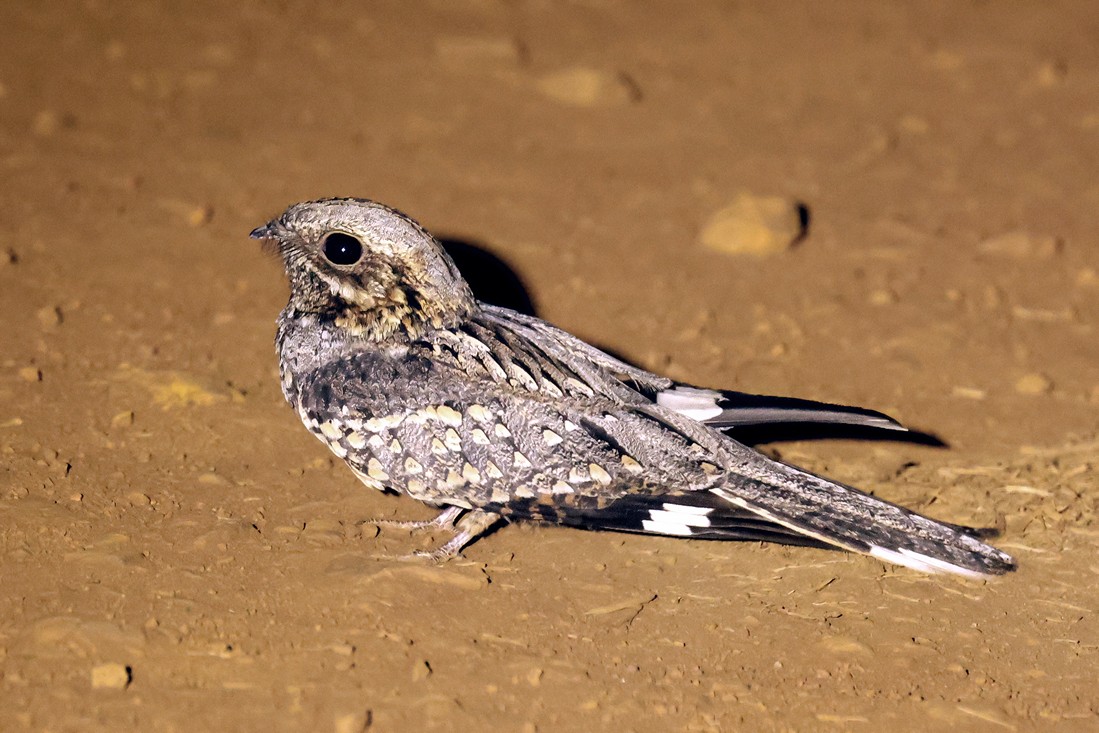 4694 Good capture by torchlight. My best guess is a rufous-cheeked nightjar. A fairly common migrant
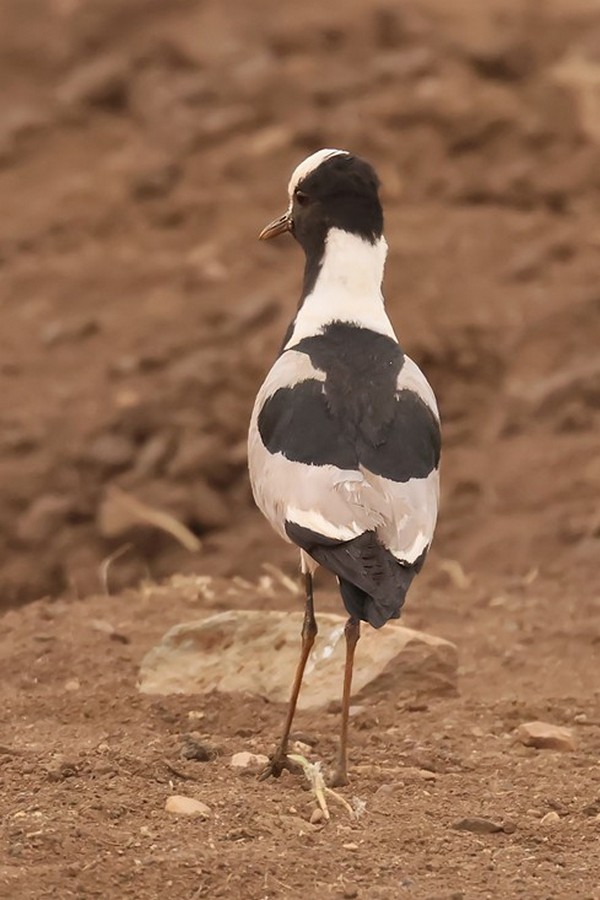 4695 Blacksmith lapwing
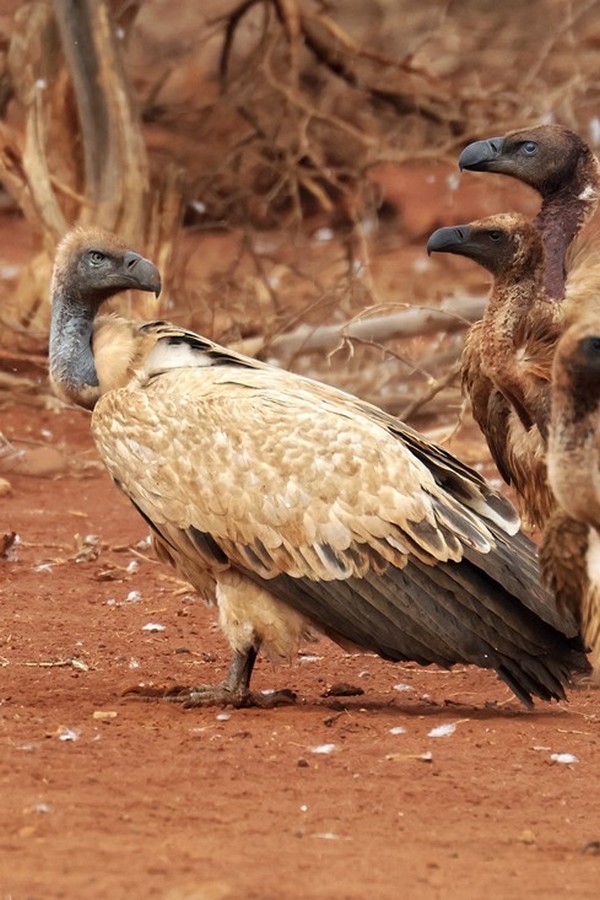 4696 Cape vulture. Under severe threat from poisoning and overhead power lines
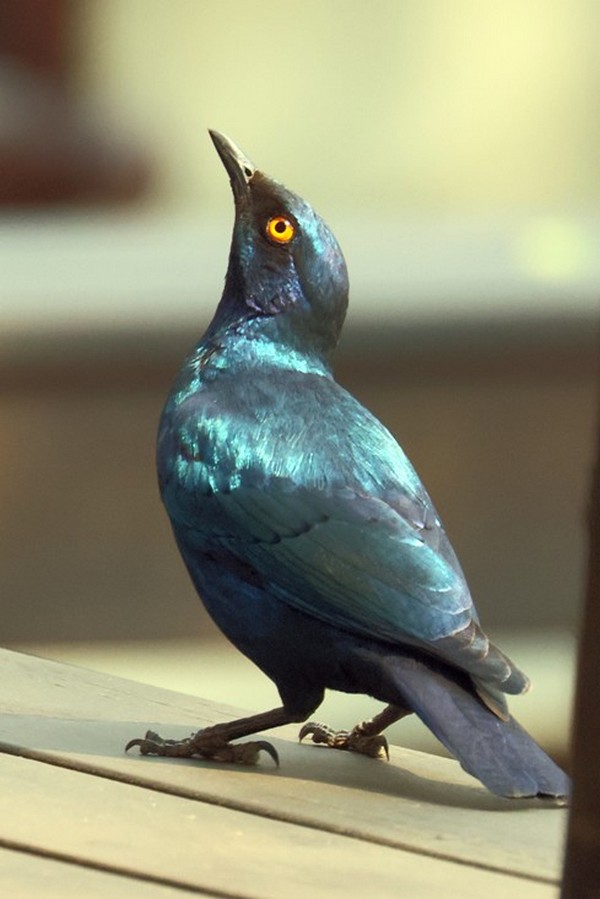 4697 Cape glossy starling